
Episode 1: Technical Leadership Starts With Trust, Not a Title

Jona Obrador • July 14, 2026

Most engineers may have run into this same situation. You have years of experience, a deeper understanding of the system than anyone else on the team, and a clear read on why a decision is heading in the wrong direction. You raise the concern. The team hears it. And then they go a different direction anyway.


The instinct is to wonder why no one listened. The better question is why the argument wasn't convincing enough. A more useful question is: what would have made the team trust the recommendation enough to act on it?


That shift in thinking is where technical leadership actually begins.

Authority and Influence Are Not the Same Thing

Authority and Influence Are Not the Same Thing

Authority comes from a title. Influence comes from trust. In most NetSuite development environments, you will need influence long before you are ever handed a management role.


Technical skill may earn you a seat at the table. Trust determines whether people follow your recommendations once you’re there. These are two different things, and confusing them is one of the most common reasons senior engineers struggle to move teams.


Being right earns respect. Being trusted creates influence.

Authority comes from a title. Influence comes from trust. In most NetSuite development environments, you will need influence long before you are ever handed a management role.


Technical skill may earn you a seat at the table. Trust determines whether people follow your recommendations once you’re there. These are two different things, and confusing them is one of the most common reasons senior engineers struggle to move teams.

Being right earns respect. Being trusted creates influence.

That’s an important distinction. Teams may acknowledge expertise, but they rarely change direction because someone is technically correct. They change direction because they trust that person’s judgment. 

What Gets in the Way 

Most engineers learn this lesson the hard way. A shortcut is proposed. A known risk gets dismissed. You push back with solid reasoning, and the team still moves forward without you.


The frustration is understandable. But technical leadership is not about winning arguments. It’s about helping teams make better decisions. Sometimes that means persuading. Sometimes it means listening. Sometimes it means accepting a different path while ensuring the risks are understood.

Most engineers learn this lesson the hard way. A shortcut is proposed. A known risk gets dismissed. You push back with solid reasoning, and the team still moves forward without you.


The frustration is understandable. But technical leadership is not about winning arguments. It’s about helping teams make better decisions. Sometimes that means persuading. Sometimes it means listening. Sometimes it means accepting a different path while ensuring the risks are understood.

What Gets in the Way

How Technical Leaders Actually Build Influence 

Most of us have worked with engineers who are exceptionally smart, yet struggle to influence a team. It’s because it isn’t built on expertise alone but on trust.


Here are three habits that consistently build trust and credibility:

Most engineers invest years building technical skills. Fewer invest time in the skills that extend their impact across a team or organization.


Those skills include influencing decisions without formal authority, giving feedback that improves other people's work, handling disagreements professionally and constructively, scaling ownership beyond your own tasks, and making the engineers around you more effective.


These are learnable skills. They do not require a management track to develop, and they make a measurable difference in how projects get delivered.

1. Understand Before You Advocate 

Understand Before You Advocate

Strong technical leaders ask questions before proposing solutions. Why was this approach chosen? What business pressure is shaping the decision? What context might you be missing?


People are more willing to engage with a perspective when they feel heard first.

Strong technical leaders ask questions before proposing solutions. Why was this approach chosen? What business pressure is shaping the decision? What context might you be missing?


People are more willing to engage with a perspective when they feel heard first. 

2. Explain Trade-Offs, Not Preferences 
Explain Trade-Offs, Not Preferences

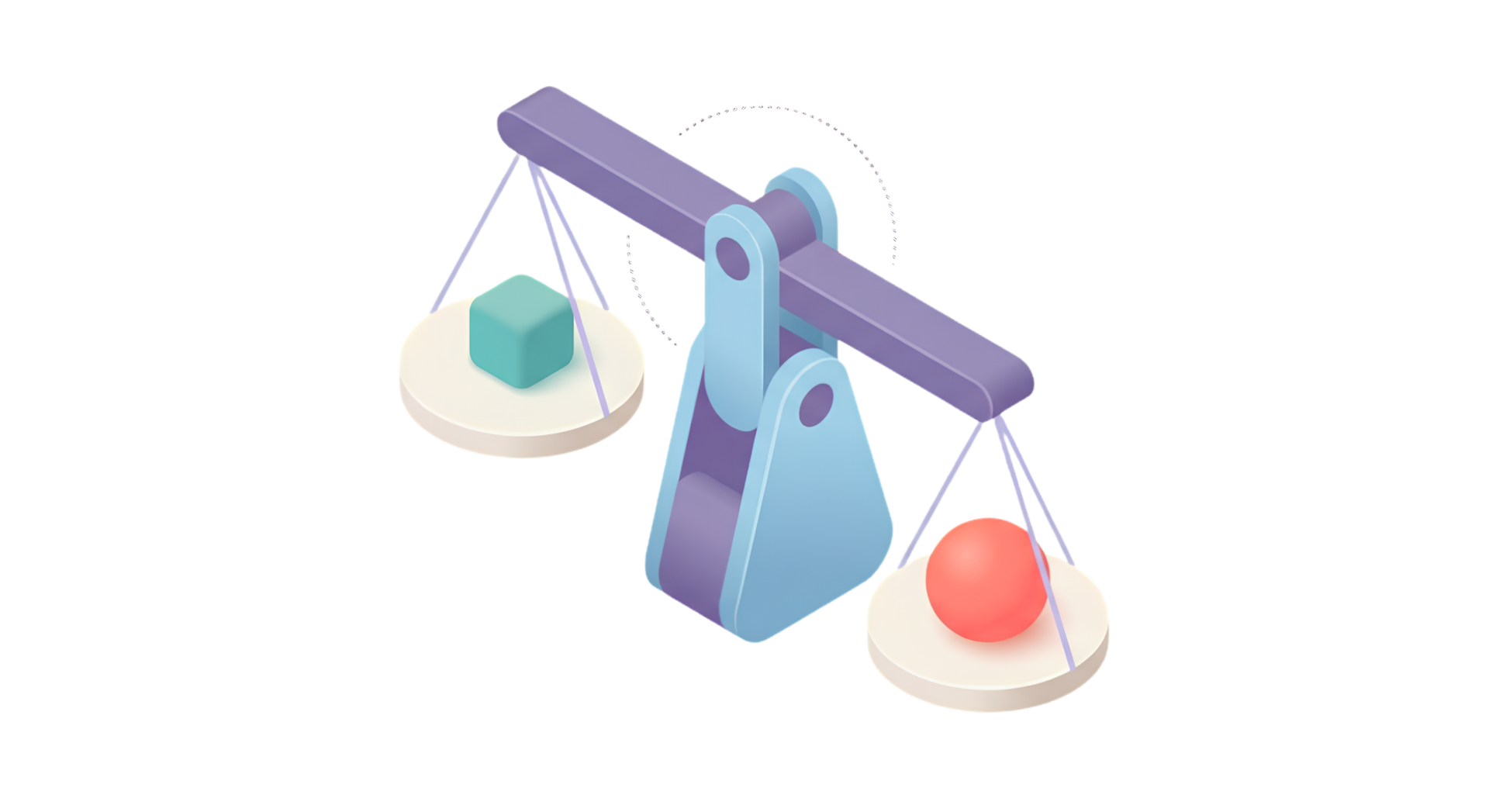
"I don't like this approach" lands differently than "This approach is faster today, but it will make future changes harder." Healthy dialogues create productive conversations.


Influential engineers focus on consequences, not opinions. They are objective in nature.

3. Build a Reputation for Balanced Judgment 

Build a Reputation for Balanced Judgment

The goal is not to win every discussion. The goal is to be the person whose input the team consistently trusts.


Teams trust engineers who:

  • Acknowledge uncertainty when it exists
  • Changes position when new information warrants it
  • Prioritize the team's outcome over personal pride

Leadership Starts Before Any Title Does

Many engineers assume leadership begins the moment they become a manager. In reality, it usually starts years earlier.


It starts the first time you mentor a junior developer. The first time you surface a risk no one else flagged. The first time you help a team make a better call.


No title required. No formal authority required. Just consistent, trust-based technical influence.

Many engineers assume leadership begins the moment they become a manager. In reality, it usually starts years earlier.


It starts the first time you mentor a junior developer. The first time you surface a risk no one else flagged. The first time you help a team make a better call.


Leadership Starts Before Any Title Does

No title required. No formal authority required. Just consistent, trust-based technical influence.

The Engineers Who Move Teams Forward 

The Engineers Who Move Teams Forward

The most effective engineers are not always the loudest in the room. They are the ones whose opinions carry weight because they have demonstrated good judgment over time, across many decisions.


That reputation compounds.

Influence built through trust grows in ways that authority granted through a title simply does not.

At ATSOURCE, we work with NetSuite development teams at exactly these kinds of growth moments. Let's talk about how to build technical leadership into your team's culture.

This is the first part in ATSOURCE's "Leading Without Becoming a Manager" series. Each post covers a specific skill that senior engineers can build right now, without waiting for a promotion.


At ATSOURCE, we work with NetSuite development teams at exactly these kinds of growth moments. Let's talk about how to build technical leadership into your team's culture. 

Jona Obrador Senior Netsuite Developer

Meet the Author

Jona has over a decade of experience in SuiteCloud Development on the NetSuite platform. She specializes in implementing advanced solutions and has led teams in creating high-quality software. Jona holds multiple certifications and has been recognized with awards like the Summit Award and Quality Champion Award.


Tags

Accelerate ERP Success with Expert Solutions

Ready to put what you've learned into practice? ATSOURCE delivers both the specialized talent and comprehensive NetSuite support you need to turn strategy into results.‍Connect with our experts today and move from planning to performance.
Why Leadership Doesn’t Require a Title
By Jona Obrador June 23, 2026
Not all leadership means becoming a manager. Learn how NetSuite developers grow their impact through technical leadership, mentoring, and influence.
Purple banner reading “Engineering Beyond Code: The Skills That Actually Define Great Engineers” with a code notebook icon
By Jona Obrador June 18, 2026
Technical skills get engineers in the room. Communication, judgment, and ownership determine impact. See what great NetSuite engineering really looks like.
Purple coding interface on a platform with gears and a code icon, illustrating software development.
By Jona Obrador June 11, 2026
Engineering ownership starts where the ticket ends. Learn how NetSuite development teams move beyond task completion to truly own outcomes.