Engineering Beyond Code: The Skills That Actually Define Great Engineers

Jona Obrador • June 18, 2026

There's a version of engineering that looks great on paper. Clean commits, closed tickets, feature after feature shipped. And then there's the version that actually moves teams forward: the engineer who communicates clearly under pressure, who understands a problem before touching the keyboard, who takes ownership without being asked.


That second version is harder to teach. But it's the one that matters most.

What Engineering Beyond Code Actually Means
What Engineering Beyond Code Actually Means

Ownership isn’t a personality trait. It’s what happens when an engineer stops focusing only on assigned work and starts caring about outcomes. It shows up in how you handle review comments, respond to production issues, and raise risks before they become someone else’s problem.


Engineering beyond code is the set of professional skills that sit alongside technical ability: communication, collaboration, judgment, and ownership. These are the skills experienced engineers eventually develop, often through hard lessons rather than documentation.


At ATSOURCE, we believe these skills can be taught. That's what this series was built around.

Ownership isn’t a personality trait. It’s what happens when an engineer stops focusing only on assigned work and starts caring about outcomes. It shows up in how you handle review comments, respond to production issues, and raise risks before they become someone else’s problem.


Engineering beyond code is the set of professional skills

that sit alongside technical ability: communication, collaboration, judgment, and ownership. These are the skills experienced engineers eventually develop, often through hard lessons rather than documentation.


At ATSOURCE, we believe these skills can be taught. That's what this series was built around.

What the Series Covered

Each topic in this series addressed a real, recurring challenge for NetSuite development teams.


In Episode 1, we understand that project tickets should be treated as summaries rather than absolute requirements. 


Developers often face friction when they implement a request exactly as written, only to discover that it fails to account for crucial edge cases, alternative record states, or broader systemic workflows. Because a ticket merely captures one person's narrow understanding of a problem at a single point in time, relying on it entirely inevitably creates a disconnect between the written description and the actual needs. 

Each topic in this series addressed a real, recurring challenge for NetSuite development teams.


In Episode 1, we understand that project tickets should be treated as summaries rather than absolute requirements. 

Developers often face friction when they implement a request exactly as written, only to discover that it fails to

NetSuite Requirements: Why the Ticket Is Never the Full Story

account for crucial edge cases, alternative record states, or broader systemic workflows. Because a ticket merely captures one person's narrow understanding of a problem at a single point in time, relying on it entirely inevitably creates a disconnect between the written description and the actual needs.

The episode also introduced a practical approach to requirements: treat them as a starting point for a conversation, not a complete specification. That shift changes how engineers engage with stakeholders and leads to better outcomes well before implementation begins.

NetSuite Project Estimation: Why It's About Risk, Not Time

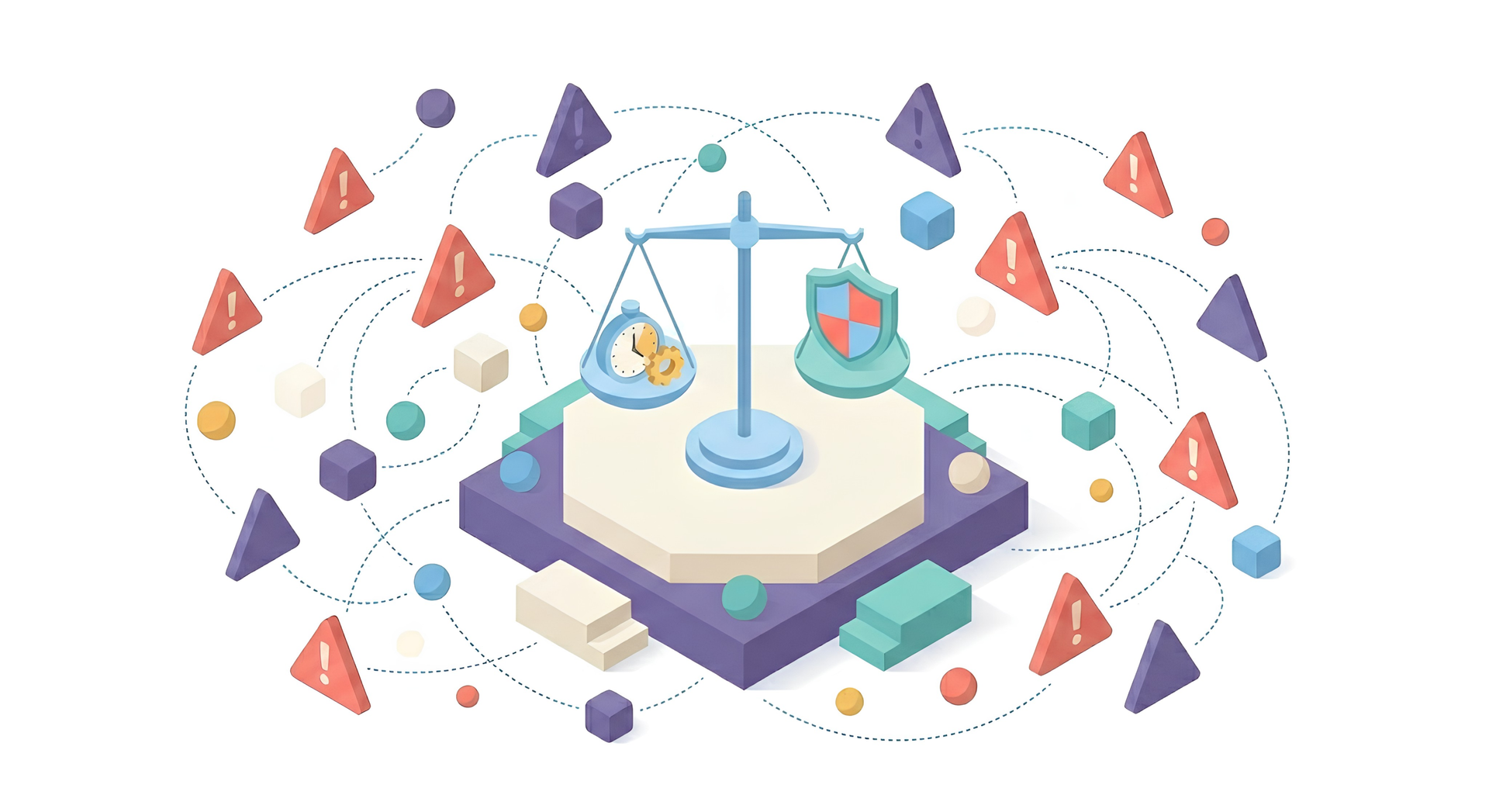
In Episode 2, we covered estimation and risk management, showing how estimates are conversations rather than predictions.


Project estimation is frequently mishandled because teams mistakenly treat it as a definitive time prediction. When a developer states a task will take two days, they are implicitly assuming that no unexpected issues will disrupt their progress. 


Risk management was the other half of that episode. Engineers who identify risk early, name it clearly, and bring it to the right people are far more valuable than those who absorb uncertainty alone.

In Episode 2, we covered estimation and risk management, showing how estimates are conversations rather than predictions.


Project estimation is frequently mishandled because teams mistakenly treat it as a definitive time prediction. When a developer states a task will take two days, they are

implicitly assuming that no unexpected issues will disrupt their progress. 


Risk management was the other half of that episode. Engineers who identify risk early, name it clearly, and bring it to the right people are far more valuable than those who absorb uncertainty alone.

Communication came next in Episode 3, addressing how silence creates risk for the entire team.


Technical expertise alone is insufficient to prevent project failure, which more commonly stems from systemic silence rather than poor coding. When engineers silently accept unverified assumptions, overlook subtle risks, or make isolated design trade-offs, they leave the broader team

Communication came next in Episode 3, addressing how silence creates risk for the entire team.


Technical expertise alone is insufficient to prevent project failure, which more commonly stems from systemic silence rather than poor coding. When engineers silently accept unverified assumptions, overlook subtle risks, or make isolated design trade-offs, they leave the broader team completely blind to potential failure points. True engineering communication is about closing this gap by making invisible technical realities visible to stakeholders and team members alike. 

Engineer Communication Skills: Why Knowing Isn't Enough

completely blind to potential failure points. True engineering communication is about closing this gap by making invisible technical realities visible to stakeholders and team members alike.

The episode highlights how engineers who communicate proactively, especially when things are uncertain, give their teams the information needed to make good decisions. Ultimately, vocalizing insights ensures that critical business context is shared and that potential defects are mitigated long before they become costly to repair.

Code Reviews Are Not a Formality

In Episode 4, we explored how code reviews become places where knowledge is shared and problems are prevented.


Many development teams treat code reviews as an administrative checklist to confirm that syntax is correct and that the application functions on a basic level. Merely approving code with a standard "looks good to me" allows hidden architectural flaws, tight coupling, and future performance gaps to slip into production unchecked. 

In Episode 4, we explored how code reviews become places where knowledge is shared and problems are prevented.


Many development teams treat code reviews as an administrative checklist to confirm that syntax is correct and that the application functions on a basic level. Merely

approving code with a standard "looks good to me" allows hidden architectural flaws, tight coupling, and future performance gaps to slip into production unchecked.

An effective code review overcomes surface-level mechanics to evaluate the long-term structural decisions behind the code. Reviewers should consider how the logic handles high-volume processing, whether it creates unnecessary technical debt, and whether it impacts system-wide NetSuite governance limitations.
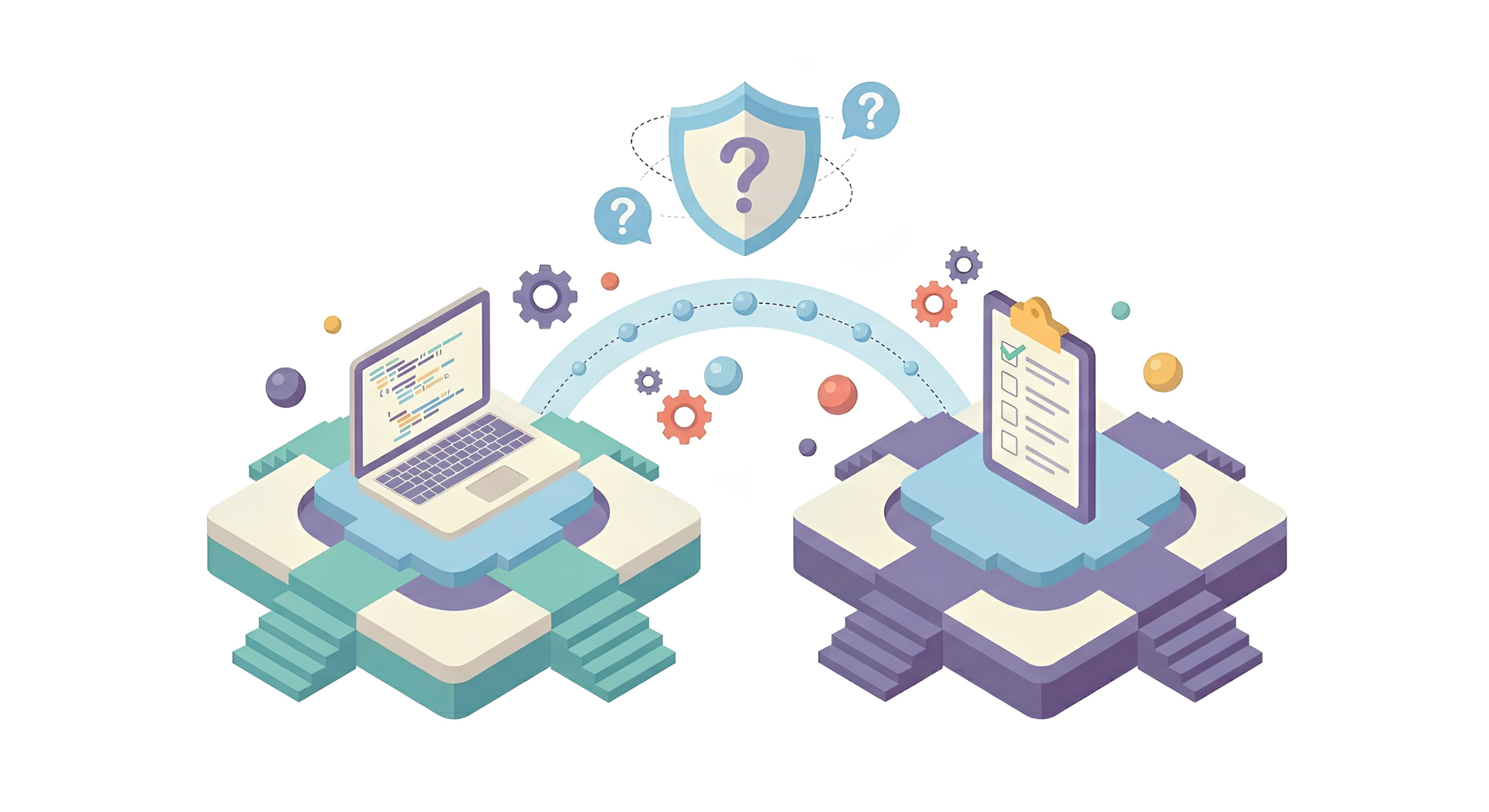
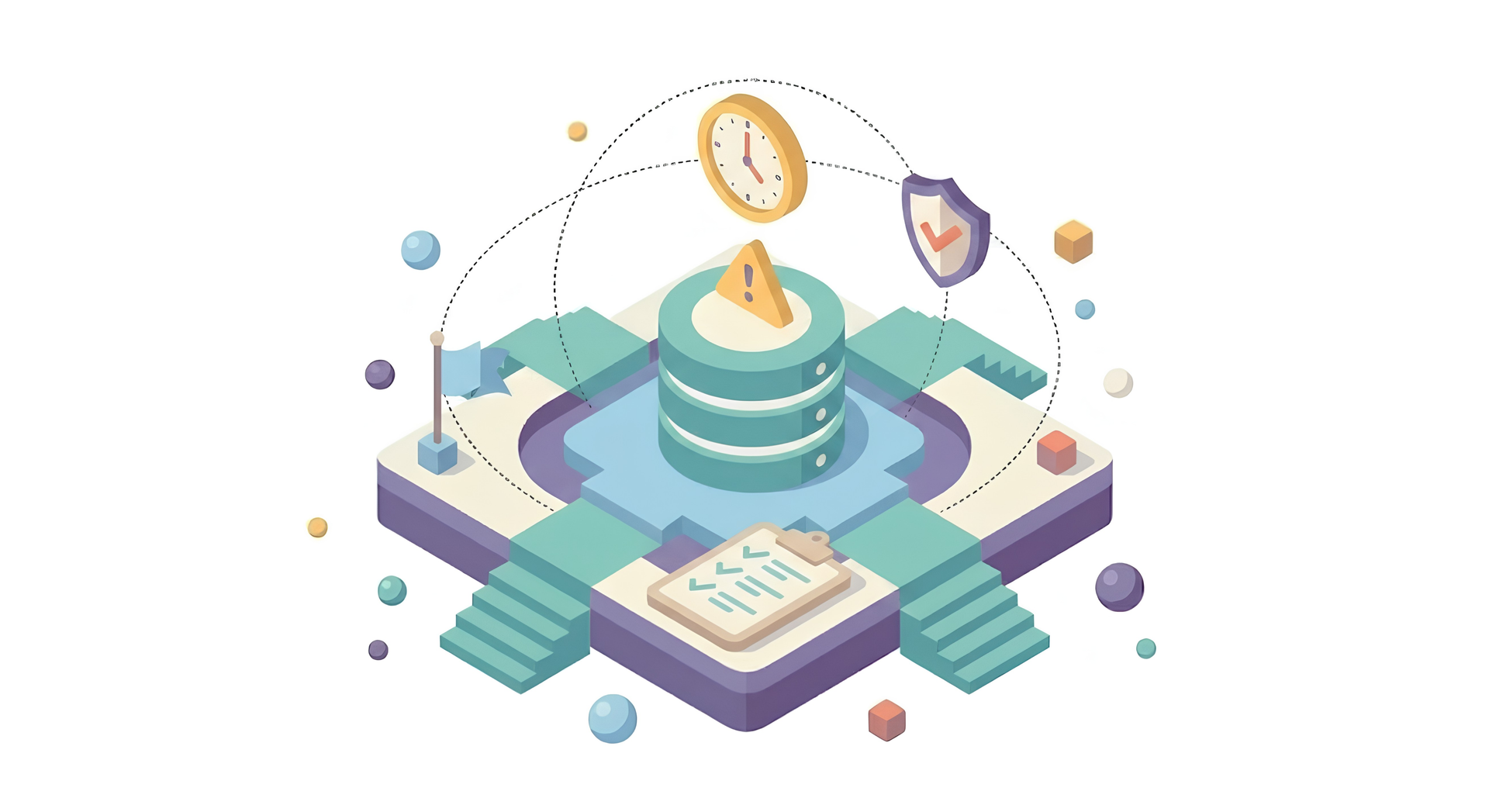
Episode 5 is where we examined working with QA as thinking partners rather than gatekeepers.


The traditional development process frequently defaults to an adversarial, slow-moving relay race where engineers throw builds over a wall and QA throws back bugs. 

Episode 5 is where we examined working with QA as thinking partners rather than gatekeepers.


The traditional development process frequently defaults to an adversarial, slow-moving relay race where engineers throw builds over a wall and QA throws back bugs. 


This fractured dynamic creates a repetitive loop of fixing, testing, and failing that drains team velocity and isolates departments. To break this cycle, organizations must stop viewing QA as a reactive safety net meant to catch mistakes and start utilizing it as analytical partners who expose structural blind spots.

Working With QA — Not Against Them

implicitly assuming that no unexpected issues will disrupt their progress. 


Risk management was the other half of that episode. Engineers who identify risk early, name it clearly, and bring it to the right people are far more valuable than those who absorb uncertainty alone.

Handling Production Issues Without Panic

Then we move into Episode 6, focusing on handling production issues and how your response reveals engineering maturity. 


Production issues test more than technical skill. They expose how an engineer communicates under pressure, coordinates with others, and leads a structured response when the stakes are real.


Managing a live incident effectively hinges on transparent, real-time communication with stakeholders, even before a definitive solution is found. Providing brief updates manages expectations, reduces organizational anxiety, and provides the technical team the necessary mental space to isolate the emergency. By focusing on containing the damage first and systematically engineering a root-cause fix second, teams resolve immediate crises while reinforcing overall platform resilience.

Then we move into Episode 6, focusing on handling production issues and how your response reveals engineering maturity. 


Production issues test more than technical skill. They expose how an engineer communicates under pressure, coordinates with others, and leads a structured response when the stakes are real.

Managing a live incident effectively hinges on transparent, real-time communication with stakeholders, even before a definitive solution is found. Providing brief updates manages expectations, reduces organizational anxiety, and provides the technical team the necessary mental space to isolate the emergency. By focusing on containing the damage first and systematically engineering a root-cause fix second, teams resolve immediate crises while reinforcing overall platform resilience.


In the final episode, we covered taking ownership and caring about outcomes, not just assigned work.

These topics might seem unrelated at first. They are not.

The Thread That Connects All of It
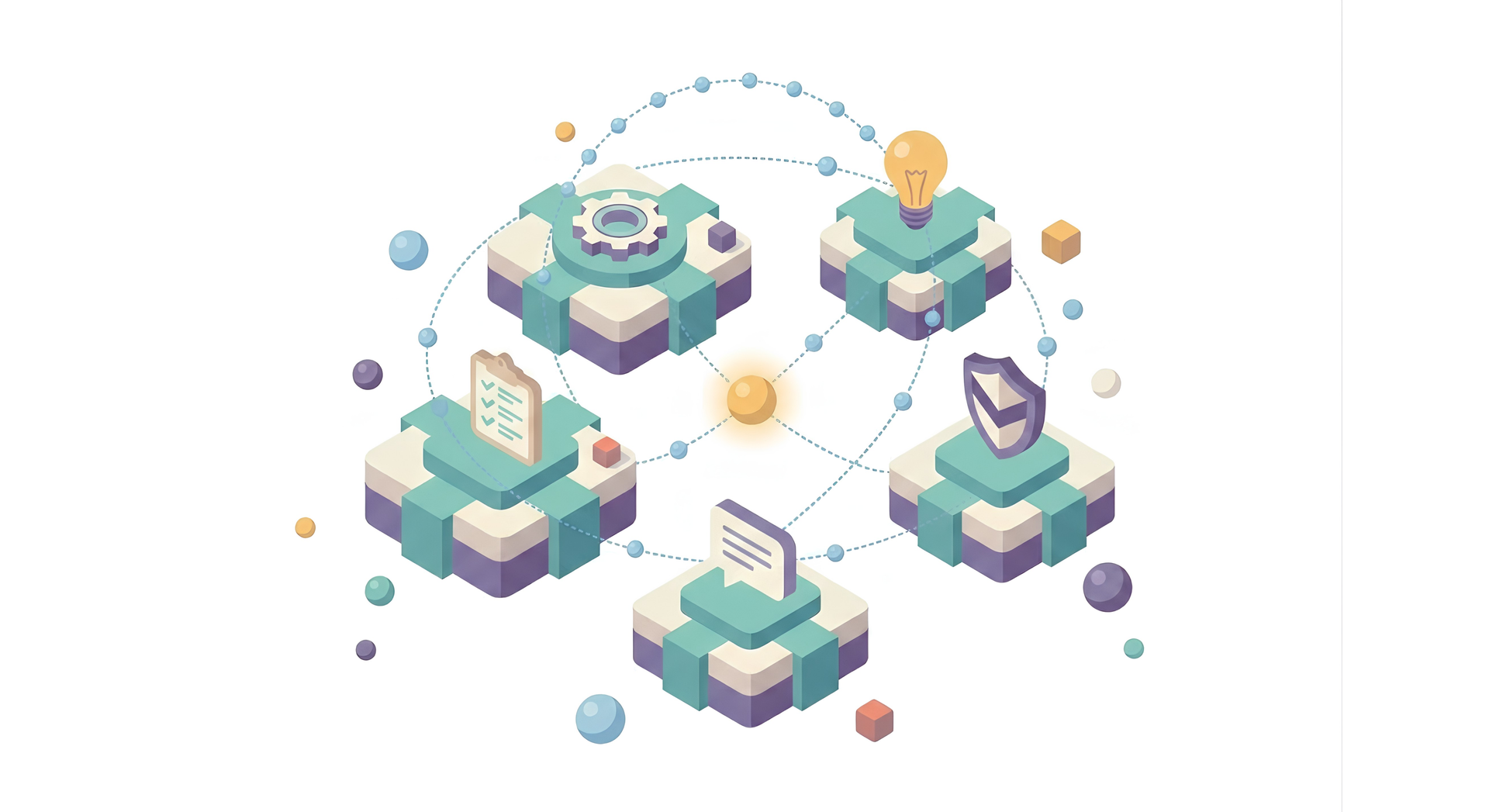
Every skill in this series exists because software is built by groups of people solving problems together. Technical ability gets an engineer into the room. What happens after that determines their impact.


Collaboration, communication, and judgment — the focus of Episodes 5, 3, and 2, respectively — determine how much impact an engineer has once they're there. That holds for individual contributors, for leads, and for the partners and teams responsible for NetSuite implementations.


Great engineers are remembered less for the code they wrote and more for the problems they helped teams solve. That’s what engineering beyond code has always been about.

Every skill in this series exists because software is built by groups of people solving problems together. Technical ability gets an engineer into the room. What happens after that determines their impact.


Collaboration, communication, and judgment — the focus of Episodes 5, 3, and2, respectively —   determine how much impact an engineer has once they're there. That holds for individual contributors, for leads, and for the partners and teams responsible for NetSuite implementations.

The Thread That Connects All of It

Great engineers are remembered less for the code they wrote and more for the problems they helped teams solve. That’s what engineering beyond code has always been about.

Code is the output. Judgment, communication, and ownership are the multipliers.

How to Practice Engineering Ownership
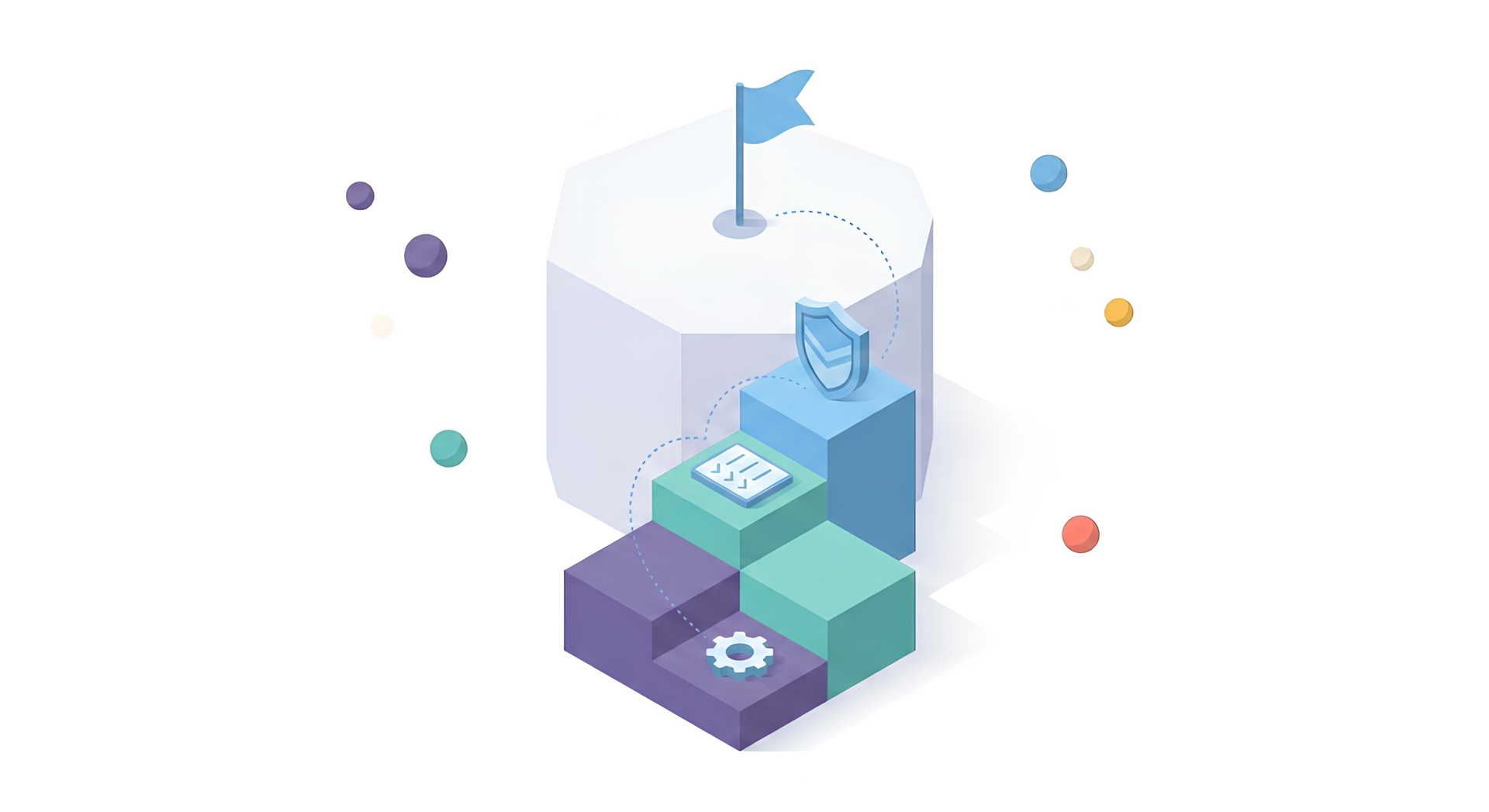
How to Practice Engineering Ownership

When a team faces real pressure, whether it's a production incident, a missed requirement, or a difficult technical decision, they don't look for the person who shipped the most features.


They look for the person who:


  • Asks the right questions before building
  • Communicates clearly when things are uncertain
  • Reviews code to improve the system, not to check a box
  • Works with QA to prevent problems, not just discover them
  • Takes calm, structured action when incidents happen
  • Cares about the outcome, not just the assignment

When a team faces real pressure, whether it's a production incident, a missed requirement, or a difficult technical decision, they don't look for the person who shipped the most features.

They look for the person who:

  • Asks the right questions before building
  • Communicates clearly when things are uncertain
  • Reviews code to improve the system, not to check a box
  • Works with QA to prevent problems, not just discover them
  • Takes calm, structured action when incidents happen
  • Cares about the outcome, not just the assignment

That's the engineer people trust with important problems. That's what engineering beyond code has always pointed toward.


This episode connects back to everything established in Episode 1 through Episode 7, how it all lands on ownership.

Why This Matters for NetSuite Teams Specifically

NetSuite development carries real complexity: business rules embedded in custom logic, integrations across multiple systems, implementations where a single error affects live transactions.


In that environment, technical skill is necessary but not sufficient. The engineers who perform consistently are those who combine solid NetSuite knowledge with the professional skills covered in this series.


Teams that invest in developing both sides tend to deliver better outcomes, fewer production surprises, and implementations that hold up over time.


At ATSOURCE, developers are built for exactly this — engineers who stay steady under pressure, lead without waiting for a title, and take ownership of the systems they build. If you're looking to strengthen your NetSuite development team with engineers who think beyond the code,
let's talk about what that looks like for your organization.

Jona Obrador Senior Netsuite Developer

Meet the Author

Jona has over a decade of experience in SuiteCloud Development on the NetSuite platform. She specializes in implementing advanced solutions and has led teams in creating high-quality software. Jona holds multiple certifications and has been recognized with awards like the Summit Award and Quality Champion Award.


Tags

Accelerate ERP Success with Expert Solutions

Ready to put what you've learned into practice? ATSOURCE delivers both the specialized talent and comprehensive NetSuite support you need to turn strategy into results.‍Connect with our experts today and move from planning to performance.

Purple coding interface on a platform with gears and a code icon, illustrating software development.
By Jona Obrador June 11, 2026
Engineering ownership starts where the ticket ends. Learn how NetSuite development teams move beyond task completion to truly own outcomes.
Megaphone, head with gear, and browser window with bug on platforms, suggesting digital marketing or troubleshooting
By Jona Obrador May 26, 2026
Production issues are feedback, not failures. Learn how NetSuite development teams slow down, communicate clearly, and fix the right thing first.
Purple coding window icon with gears and a code symbol on a soft white and lavender background
By Jona Obrador May 19, 2026
QA isn't the last stop in your development process. Learn how NetSuite teams that bring QA in early ship better code with fewer production surprises.