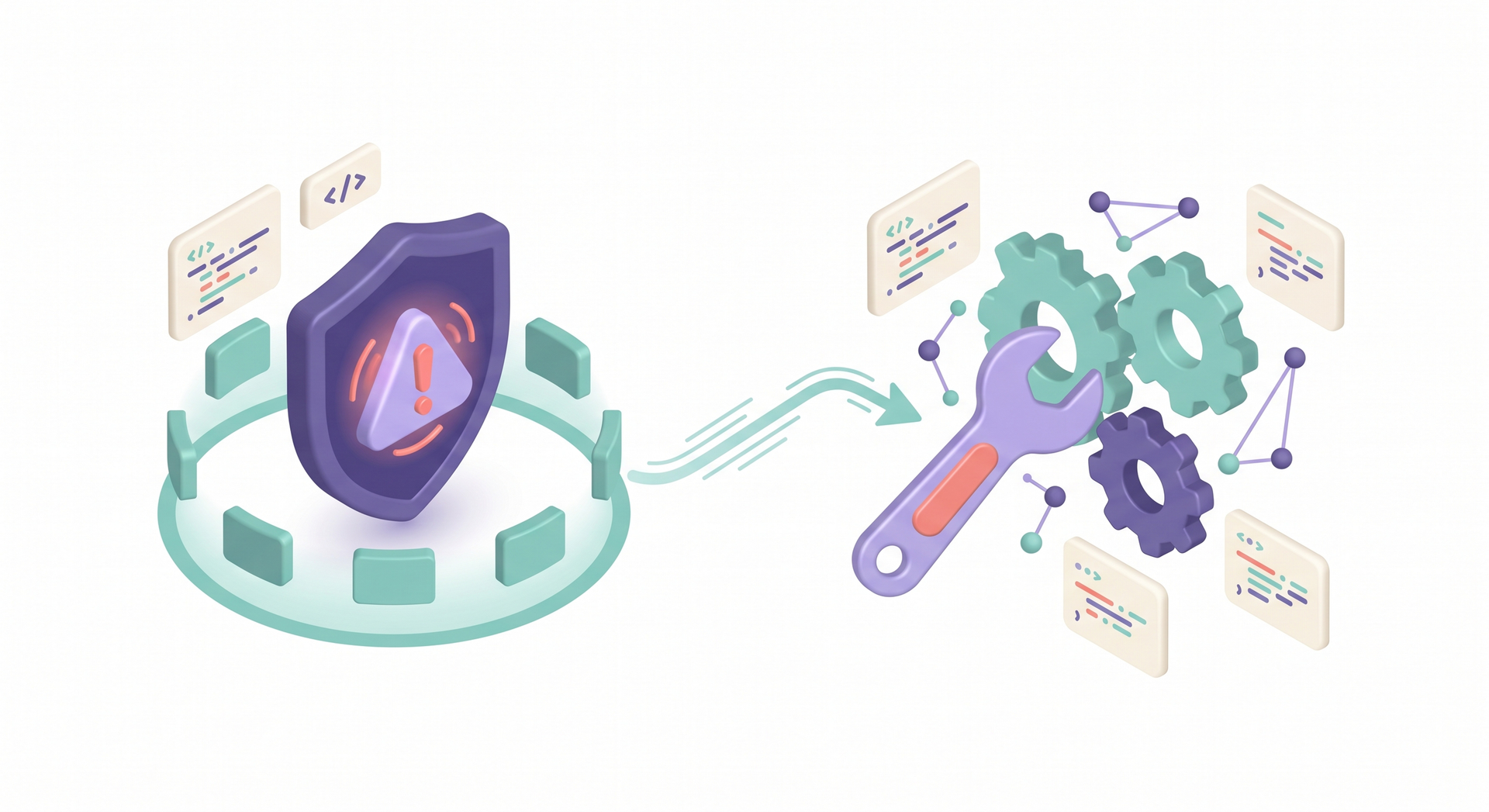
Episode 6: Handling Production Issues Without Panic

Jona Obrador • May 26, 2026

No matter how careful a development team is, something will break. A script will fail, data will look wrong, or a user will message: "This wasn't happening before." Suddenly, all eyes are on engineering.


This is the moment that separates "good at coding" from "reliable engineer."

Why Rushing to Fix Makes Things Worse 
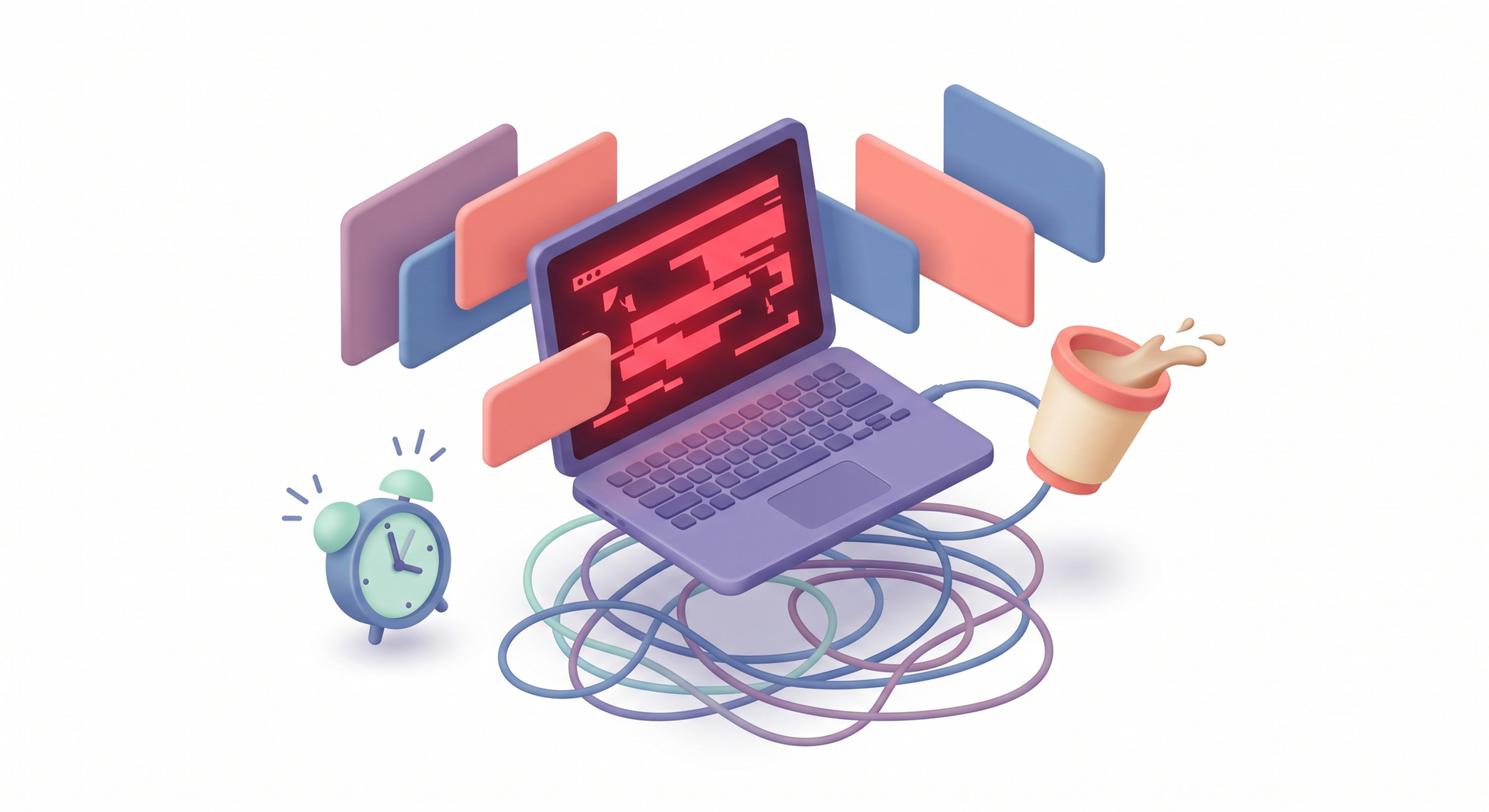
Production issues are uncomfortable. There's pressure, urgency, and incomplete information — and the instinct is to fix it fast.


But rushing to fix without understanding is how teams end up with wrong fixes, unintended side effects, and even bigger problems. The pattern looks familiar: patch the symptom, something else breaks, patch again, and now no one fully understands the system anymore.


That's not solving. That's digging deeper.

Production issues are uncomfortable. There's pressure, urgency, and incomplete information — and the instinct is to fix it fast.


But rushing to fix without understanding is how teams end up with wrong fixes, unintended side effects, and even bigger problems. The pattern looks familiar: patch the symptom, something else breaks, patch again, and now no one fully understands the system anymore.


That's not solving. That's digging deeper.

Why Rushing to Fix Makes Things Worse

How to Handle Production Issues Without Making Them Worse

1. Slow Down Just Enough to Understand the Problem 

Slow Down Just Enough to Understand the Problem

This feels counterintuitive under pressure, but the fastest way to fix something is to understand what actually broke.


Start by asking:

  • What changed?
  • When did it start?
  • Who is affected?
  • Is it isolated or systemic?

This feels counterintuitive under pressure, but the fastest way to fix something is to understand what actually broke.


Start by asking:

  • What changed?
  • When did it start?
  • Who is affected?
  • Is it isolated or systemic?

Instead of immediately redeploying a script, pause and ask: "Did this start after the last deployment, or is this data-related?" That one question can cut debugging time in half.

2. Communicate While You're Still Figuring It Out 

Silence during incidents is dangerous. Stakeholders assume either nothing is happening — or that things are under control when they're not.


Even without answers yet, a brief update goes a long way: "We're investigating. Initial signs point to issues in payment batching after the latest deployment. Will update in 15 minutes."

Silence during incidents is dangerous. Stakeholders assume either nothing is happening — or that things are under control when they're not. 


Even without answers yet, a brief update goes a long way: "We're investigating. Initial signs point to issues in payment batching after the latest deployment. Will update in 15 minutes." 


That one message aligns stakeholders, manages expectations, and buys the team space to think clearly.

Communicate While You're Still Figuring It Out

That one message aligns stakeholders, manages expectations, and buys the team space to think clearly.

3. Contain First. Fix Second. 

Contain First. Fix Second.

Not every production issue needs an immediate perfect fix. Sometimes the priority is to stop the bleeding.


Containment options include:

  • Disabling a problematic script
  • Restricting a feature temporarily
  • Reverting a deployment


Once the situation is contained, investigate properly, design a safe fix, and reintroduce with confidence. Containment protects the system. Fixing restores it. Do them in the wrong order, and you risk both.

Not every production issue needs an immediate perfect fix. Sometimes the priority is to stop the bleeding.


Containment options include:

  • Disabling a problematic script
  • Restricting a feature temporarily
  • Reverting a deployment

Once the situation is contained, investigate properly, design a safe fix, and reintroduce with confidence. Containment protects the system. Fixing restores it. Do them in the wrong order, and you risk both.

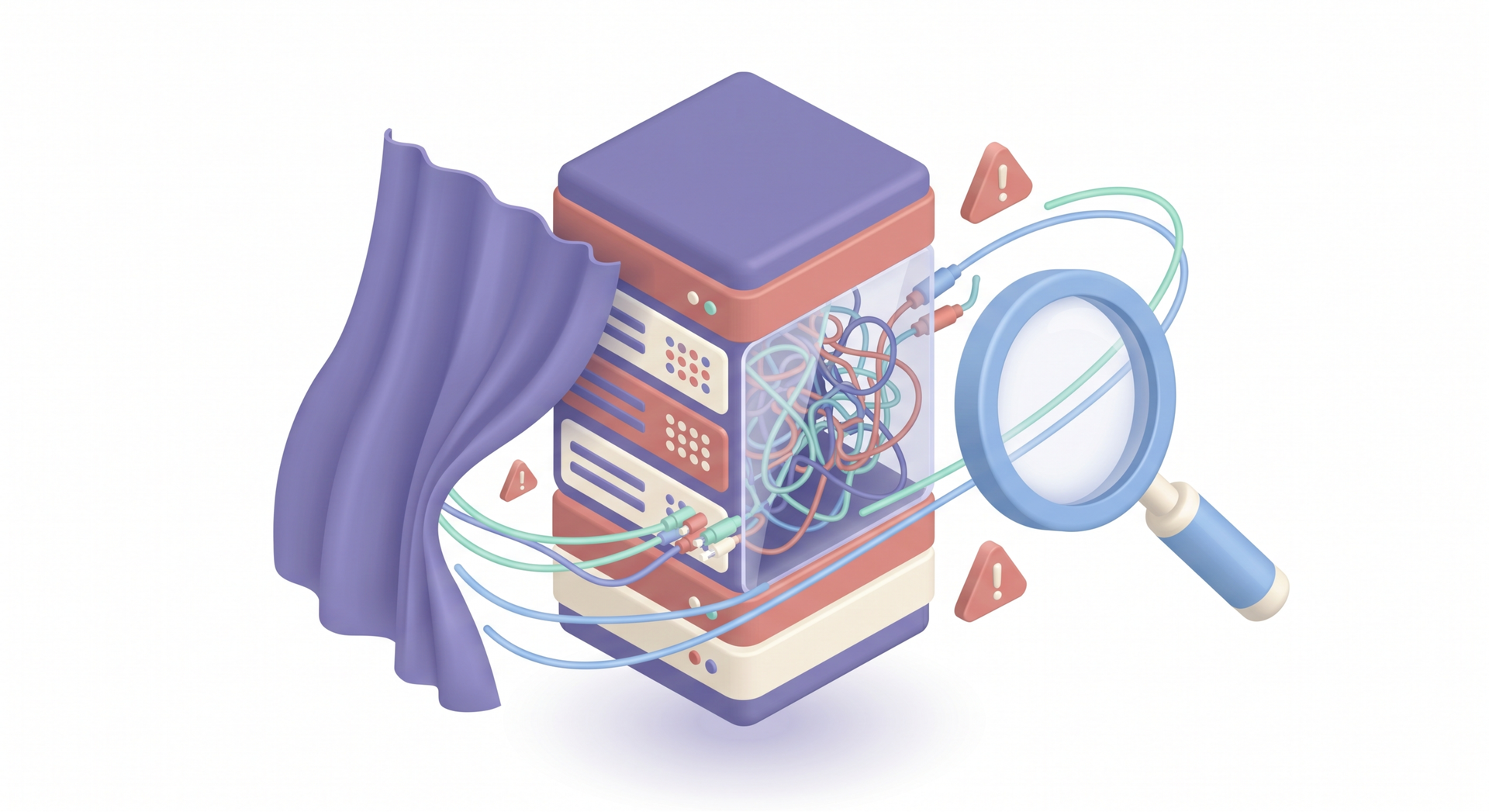
The Uncomfortable Truth About Production Incidents

Incidents don't expose bad code first. They expose weak assumptions, missing communication, and fragile decisions — in other words, everything covered across this series.


When something breaks in production, it often traces back to what was established in Episode 1: NetSuite Requirements: Why the Ticket Is Never the Full Story, Episode 2: NetSuite Project Estimation: Why It's About Risk, Not Time, Episode 3: Engineer Communication Skills: Why Knowing Isn't Enough, Episode 4: Code Reviews Are Not a Formality, and Episode 5: Working With QA — Not Against Them.


Production is where all of it gets tested for real.
The Uncomfortable Truth About Production Incidents

Engineering Is About How You Respond When Things Get Real

Production issues are not just problems to solve. They're feedback. They show where understanding was incomplete, where design was fragile, and where communication broke down.


Strong engineers don't panic when things break. They slow down just enough, communicate clearly, contain intelligently, and fix deliberately. Because at this point, it's no longer about writing code. It's about taking responsibility for a living system.


Everything from Episode 1 through Episode 6 has been building toward this: engineering beyond code is not about what we write. It's about how we think, decide, and respond when things get real.


At ATSOURCE, developers are built for exactly this kind of moment — engineers who stay steady under pressure and take ownership of the systems they build. If you're looking to strengthen your NetSuite development team with engineers who think beyond the code, let's talk about what that looks like for your organization. 

Jona Obrador Senior Netsuite Developer

Meet the Author

Jona has over a decade of experience in SuiteCloud Development on the NetSuite platform. She specializes in implementing advanced solutions and has led teams in creating high-quality software. Jona holds multiple certifications and has been recognized with awards like the Summit Award and Quality Champion Award.


Tags

Accelerate ERP Success with Expert Solutions

Ready to put what you've learned into practice? ATSOURCE delivers both the specialized talent and comprehensive NetSuite support you need to turn strategy into results.‍Connect with our experts today and move from planning to performance.
Why Leadership Doesn’t Require a Title
By Jona Obrador June 23, 2026
Not all leadership means becoming a manager. Learn how NetSuite developers grow their impact through technical leadership, mentoring, and influence.
Purple banner reading “Engineering Beyond Code: The Skills That Actually Define Great Engineers” with a code notebook icon
By Jona Obrador June 18, 2026
Technical skills get engineers in the room. Communication, judgment, and ownership determine impact. See what great NetSuite engineering really looks like.
Purple coding interface on a platform with gears and a code icon, illustrating software development.
By Jona Obrador June 11, 2026
Engineering ownership starts where the ticket ends. Learn how NetSuite development teams move beyond task completion to truly own outcomes.