Episode 2: NetSuite Project Estimation: Why It's About Risk, Not Time

Jona Obrador • April 28, 2026

"How long will this take?"


It sounds like a simple question. In practice, it's one of the most mishandled moments in any NetSuite project.


A developer gives what feels like a reasonable answer — "Maybe two days" — and two days later, edge cases have appeared, dependencies have surfaced, and something behaves differently than expected. What started as confidence became an apology.


The problem isn't the developer. It's how estimation is being treated.

The Misconception That Causes Most Missed Estimates

Hourglass beside clock, calendar icons, and pie chart, illustrating time management and analytics

Most teams treat NetSuite project estimation as a time prediction. It isn't.


Estimation is a risk assessment.


When a developer says "this will take two days," what they're really saying — underneath the number — is: "I assume nothing unexpected will happen."


That assumption is almost always wrong. And the gap between the estimate and reality isn't caused by bad math. It's caused by everything that wasn't visible when the number was given.

Most teams treat NetSuite project estimation as a time prediction. It isn't.


Estimation is a risk assessment.


When a developer says "this will take two days," what they're really saying — underneath the number — is: "I assume nothing unexpected will happen."

Hourglass beside clock, calendar icons, and pie chart, illustrating time management and analytics

That assumption is almost always wrong. And the gap between the estimate and reality isn't caused by bad math. It's caused by everything that wasn't visible when the number was given.

What Actually Drives Estimation Accuracy

The size of a task matters far less than the unknowns surrounding it. Here's what actually shapes how long something takes:

Risk Factor What to Ask
System familiarity Have we worked on this area before, or is this legacy code?
Dependencies Does this touch other scripts, teams, or integrations?
Requirement clarity Is the ticket clear, or are we still making assumptions?
Edge cases How does this behave across UI, imports, and integrations?
Platform constraints Are there governance limits or NetSuite-specific quirks involved?

Each of these factors adds uncertainty. Ignoring them doesn't make the estimate more accurate — it just makes the risk invisible.

A Scenario Most NetSuite Developers Will Recognize

Laptop dashboard with floating analytics charts, warning icons, and data stacks on a white background

A ticket comes in: "Add validation before saving the record."


It feels like half a day of work. Then:

  • The validation turns out to depend on another record
  • That record isn't always available at the time of execution
  • A fallback is needed — but the fallback hits governance limits
  • The entire approach needs to be reconsidered


That half-day estimate wasn't wrong because the developer misjudged effort. It was wrong because the risks weren't surfaced before the number was given.

A ticket comes in: "Add validation before saving the record."


It feels like half a day of work. Then:

  • The validation turns out to depend on another record
  • That record isn't always available at the time of execution
  • A fallback is needed — but the fallback hits governance limits
  • The entire approach needs to be reconsidered

That half-day estimate wasn't wrong because the developer misjudged effort. It was wrong because the risks weren't surfaced before the number was given.

NetSuite project estimation fails most often at exactly this point — when complexity is assumed away rather than examined.

What Strong Engineers Do Differently

The shift isn't about giving a more precise number. It's about changing what the estimate communicates.


Instead of: "Two days."


Try: "Around two days, assuming no dependency issues. There's some uncertainty around how this behaves during imports and with existing scripts — I'd like to validate that before confirming."


That's not hedging. That's guiding the team.
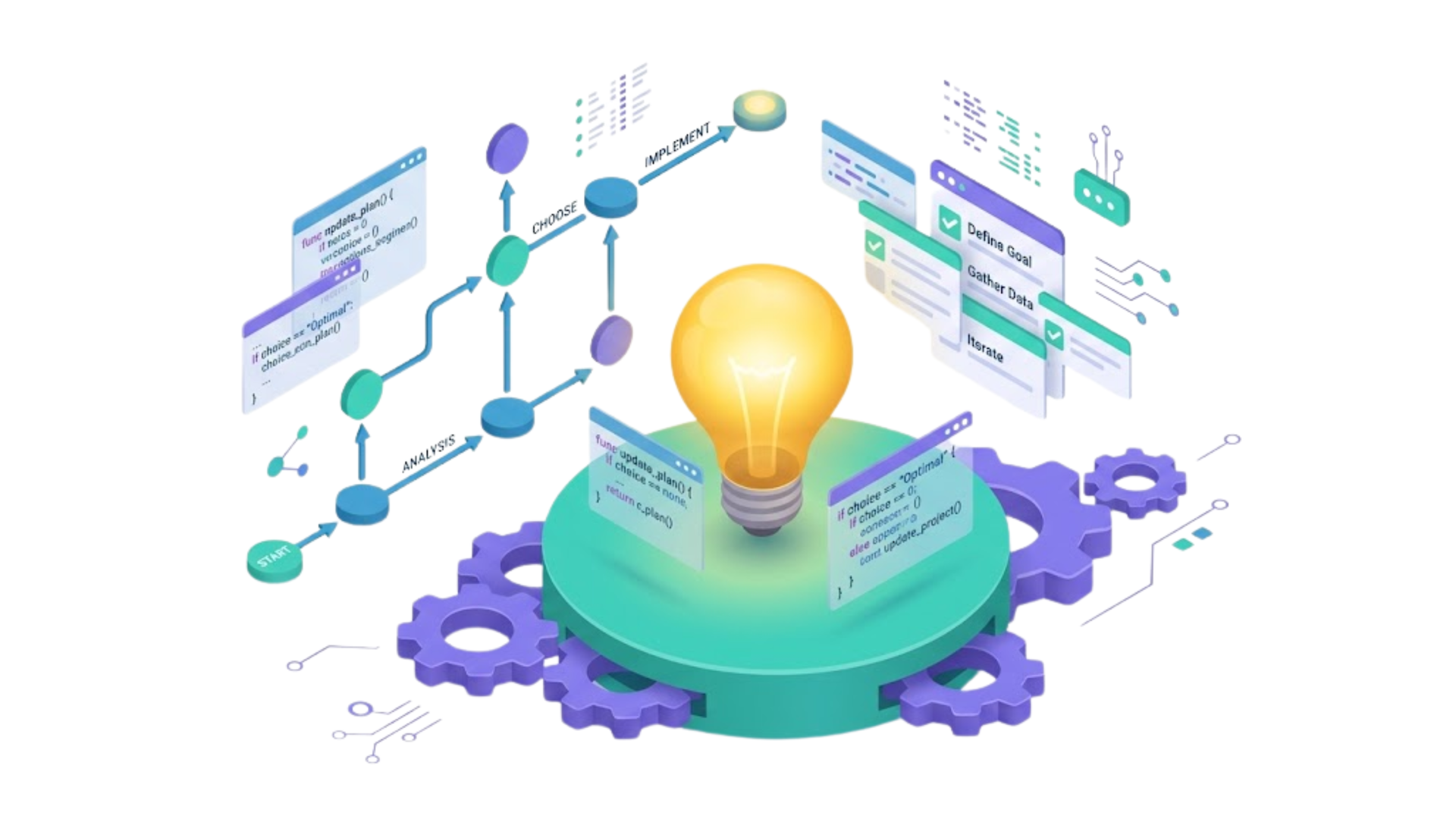
Glowing light bulb above teal gears and connected workflow icons, symbolizing innovation and automation

The mindset progression looks like this:

  • Early mindset: "Give a number."
  • Growing engineer: "Explain the work."
  • Strong engineer: "Expose the risks behind the estimate."

How to Estimate With Risk in Mind

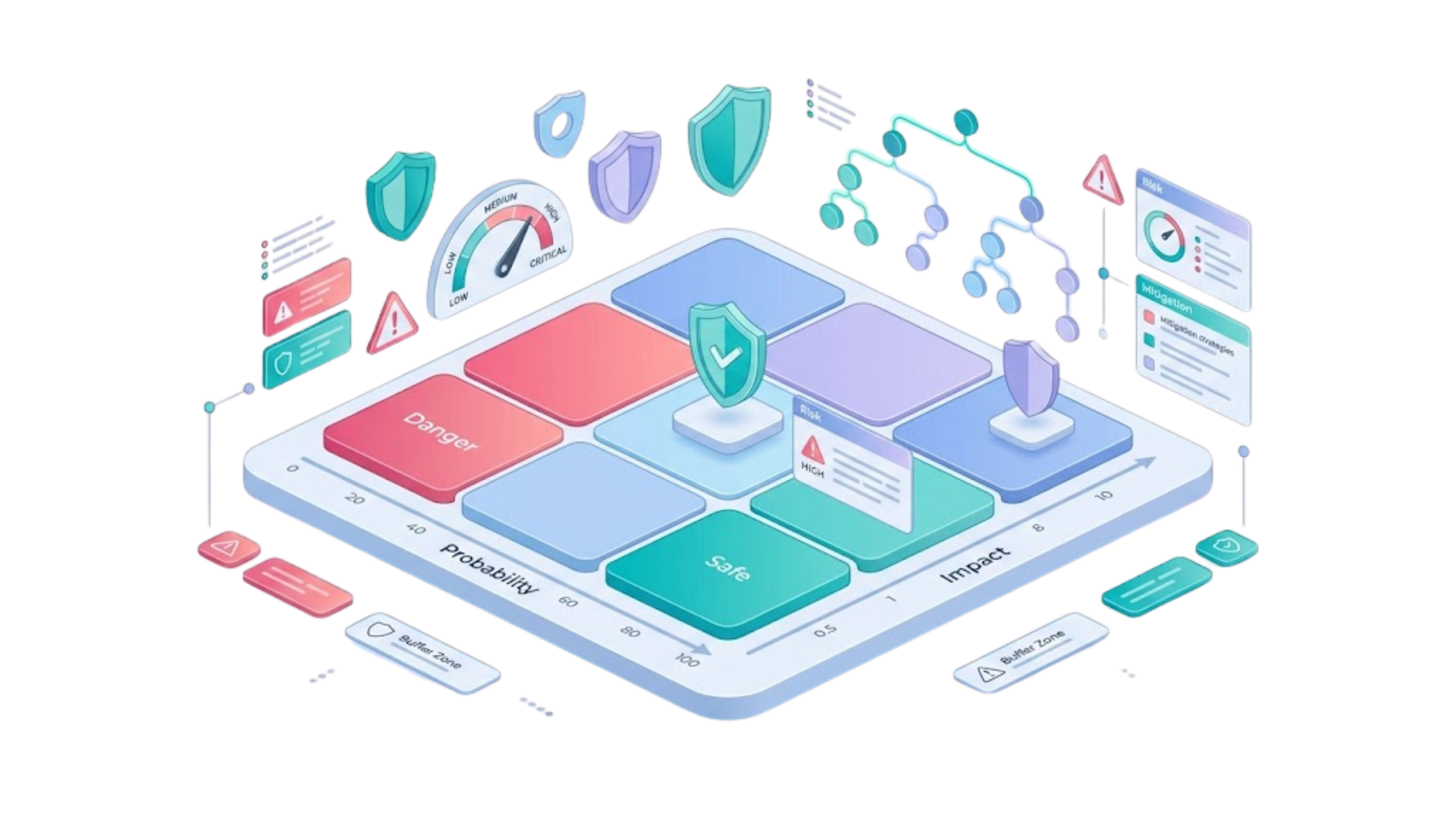
Isometric cybersecurity dashboard with shield icon, cloud data flow, and colorful analytics panels

Before committing to any estimate, work through these steps:

1. Call out what you don't know yet — unknown dependencies, unfamiliar code areas, unclear requirements


2. Break the work down — separate what's clear from what needs investigation


3. Identify what could slow things down — governance limits, integration behavior, data edge cases


4. Set expectations around assumptions — if the estimate hinges on something being true, say so explicitly

Before committing to any estimate, work through these steps:

1. Call out what you don't know yet — unknown dependencies, unfamiliar code areas, unclear requirements


2. Break the work down — separate what's clear from what needs investigation

3. Identify what could slow things down — governance limits, integration behavior, data edge cases


4. Set expectations around assumptions — if the estimate hinges on something being true, say so explicitly

This approach doesn't slow projects down. It prevents the rework cycles, planning disruptions, and trust erosion that come from estimates that quietly carry hidden risk.

The Rule Worth Keeping

There's one principle that holds up across NetSuite projects of every size:


If you're very confident in your estimate, you probably missed something.


Confidence is a signal worth interrogating — especially in a platform as context-sensitive as NetSuite.

There's one principle that holds up across NetSuite projects of every size:


If you're very confident in your estimate, you probably missed something.


Confidence is a signal worth interrogating — especially in a platform as context-sensitive as NetSuite.

Purple flag on a teal platform with floating certificates, shields, and keys

Making Uncertainty Visible Is a Skill

Good NetSuite project estimation isn't about being accurate to the hour. It's about answering: "What could go wrong, and how likely is it?"


Teams that estimate this way plan better, set clearer expectations, and build the kind of trust that comes from being predictable — not just fast.


At ATSOURCE, we work with NetSuite teams who need developers that bring this kind of thinking from day one. If estimation challenges are creating friction in your projects, let's talk about what stronger support could look like.

Jona Obrador Senior Netsuite Developer

Meet the Author

Jona has over a decade of experience in SuiteCloud Development on the NetSuite platform. She specializes in implementing advanced solutions and has led teams in creating high-quality software. Jona holds multiple certifications and has been recognized with awards like the Summit Award and Quality Champion Award.


Tags

Accelerate ERP Success with Expert Solutions

Ready to put what you've learned into practice? ATSOURCE delivers both the specialized talent and comprehensive NetSuite support you need to turn strategy into results.‍Connect with our experts today and move from planning to performance.

Purple podcast-style cover: “NetSuite Requirements: Why the Ticket Is Never the Full Story” with app icons on a podium
By Jona Obrador April 21, 2026
NetSuite requirements are rarely what they appear on the surface. Learn how strong developers bridge the gap between what's written and what the system actually needs.
A laptop displays code and a flowchart with floating icons for HTML, CSS, and PHP against a purple background.
By Jona Obrador April 14, 2026
Engineering beyond code means delivering with people, under constraints. Explore the skills NetSuite teams need beyond syntax — and why they matter more as systems grow.
A 3D illustration of a light bulb, a software window with gears, and a human head with a gear on three white platforms.
By Jona Obrador April 7, 2026
A full recap of two series on NetSuite engineering — and why decision-making in NetSuite is the skill that ties everything together.