Closing the Series: Decision Making in NetSuite: The Skill That Separates Good Engineers from Great Ones
Two series. Fourteen episodes. One continuous thread.
Before we close this chapter, it's worth looking back at what we've covered — because nothing in this series was accidental. Every topic builds on the last one, and the full picture only becomes clear when you see it together.
The Onboarding Series: How to Understand the System
Codebase organization came next, covering why structure is communication. A well-organized project tells engineers where things belong without a single meeting.
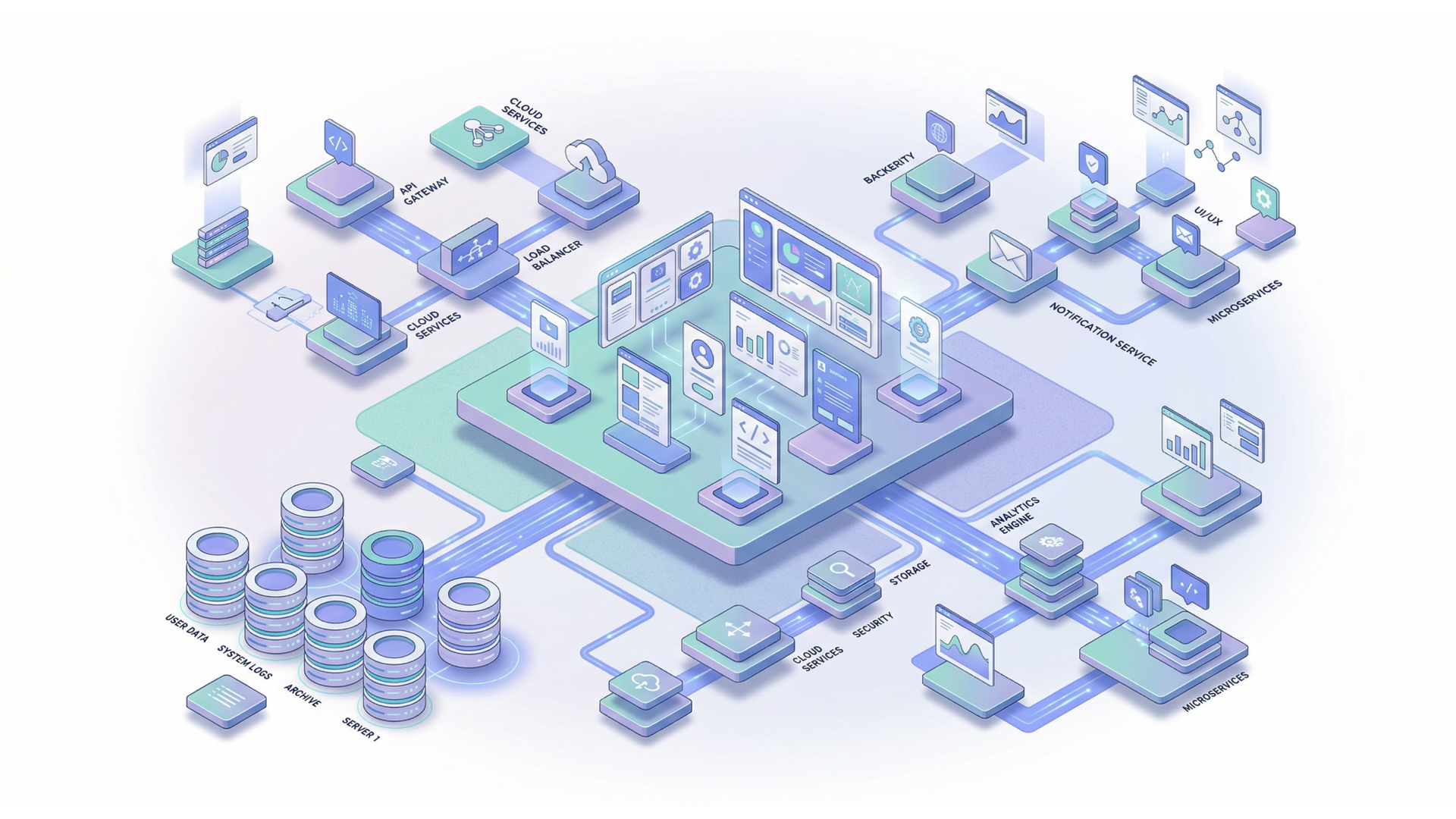
Then we traced how data flows through the system — from trigger to outcome, across layers and scripts. Understanding flow is what turns debugging from guesswork into investigation.
Unit testing reframed confidence. Not "does this work?" but "can I change this safely?" Tests are the safety net that makes iterative improvement possible.
Debugging with intent addressed what happens when tests pass and production still breaks. Systems fail in ways controlled environments don't anticipate — and debugging is how we restore that confidence.
Finally,
code quality
brought it together. Quality isn't aesthetics. It's about writing code you're not afraid to test, debug, or change six months from now.
What Comes After Onboarding: How to Think Inside the System

Architectural judgment followed — covering why code placement matters more than code quality. Correct logic in the wrong location still creates production incidents.
Understanding flow went further, showing how data moves through reactive systems and why a single write can trigger cascades nobody planned for.
Context added the next layer: the same script behaves differently depending on who triggered it. Designing without context awareness creates instability, not because logic is wrong, but because environments change the consequences.
Coupling is named the invisible tax — the hidden dependencies that accumulate quietly and make engineers afraid to touch parts of the system they should own.
Performance as a design decision reframed governance errors as architectural feedback. Governance isn't a technical constraint. It's the system telling you the design doesn't scale.
And in
building trust as an engineer, we named what all of it was pointing toward. Trust isn't built through speed. It's built through predictability.
What Tied It All Together: Decision-Making in NetSuite
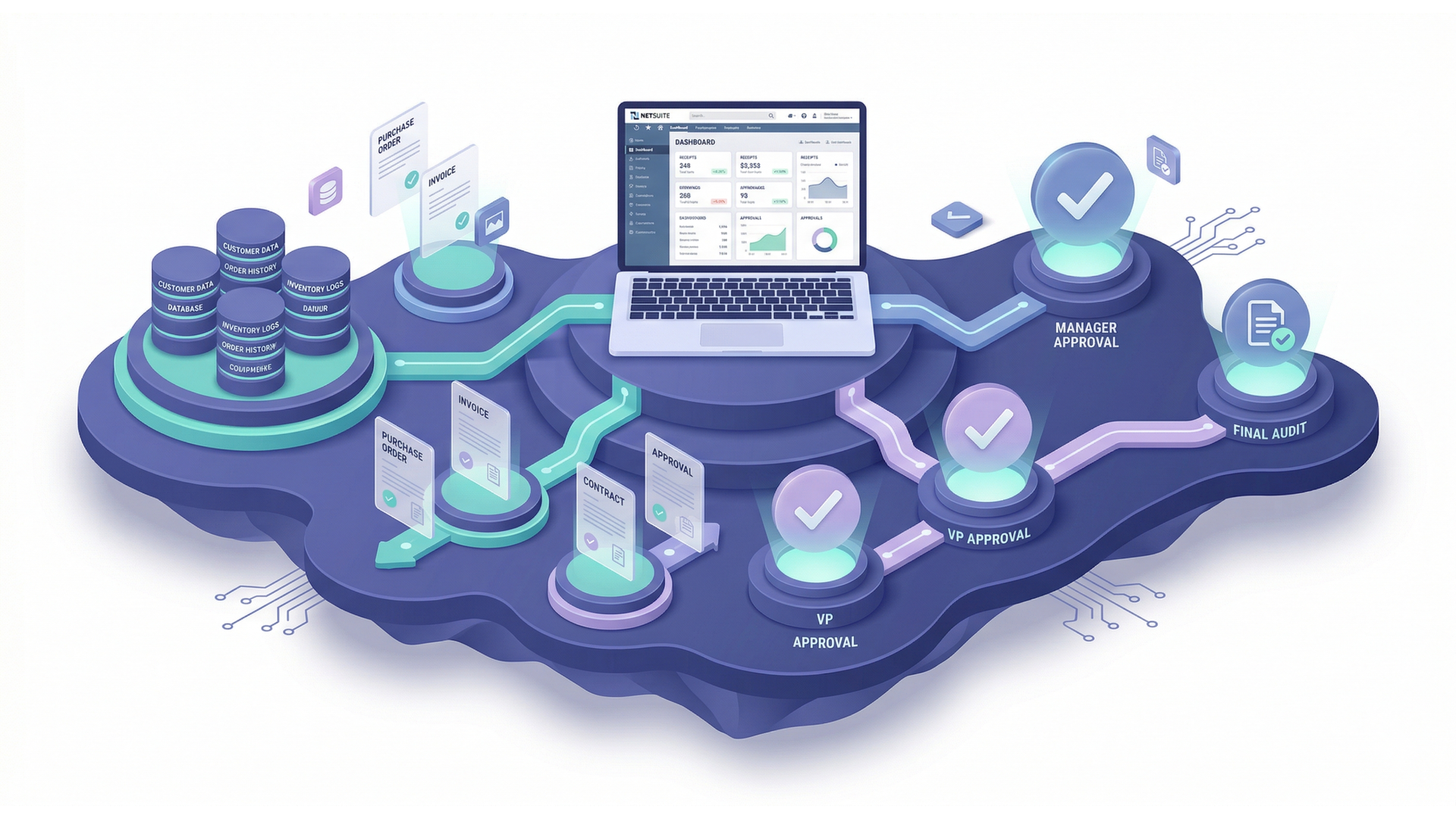
Most NetSuite developers don't struggle with syntax. They struggle with decisions.
Where does this change actually belong? Is this the root cause — or just a symptom? What else will this affect?
There's no checklist for those questions. And that's exactly what makes decision-making in NetSuite one of the hardest — and most important — skills to develop.
Why Code Isn't the Hard Part
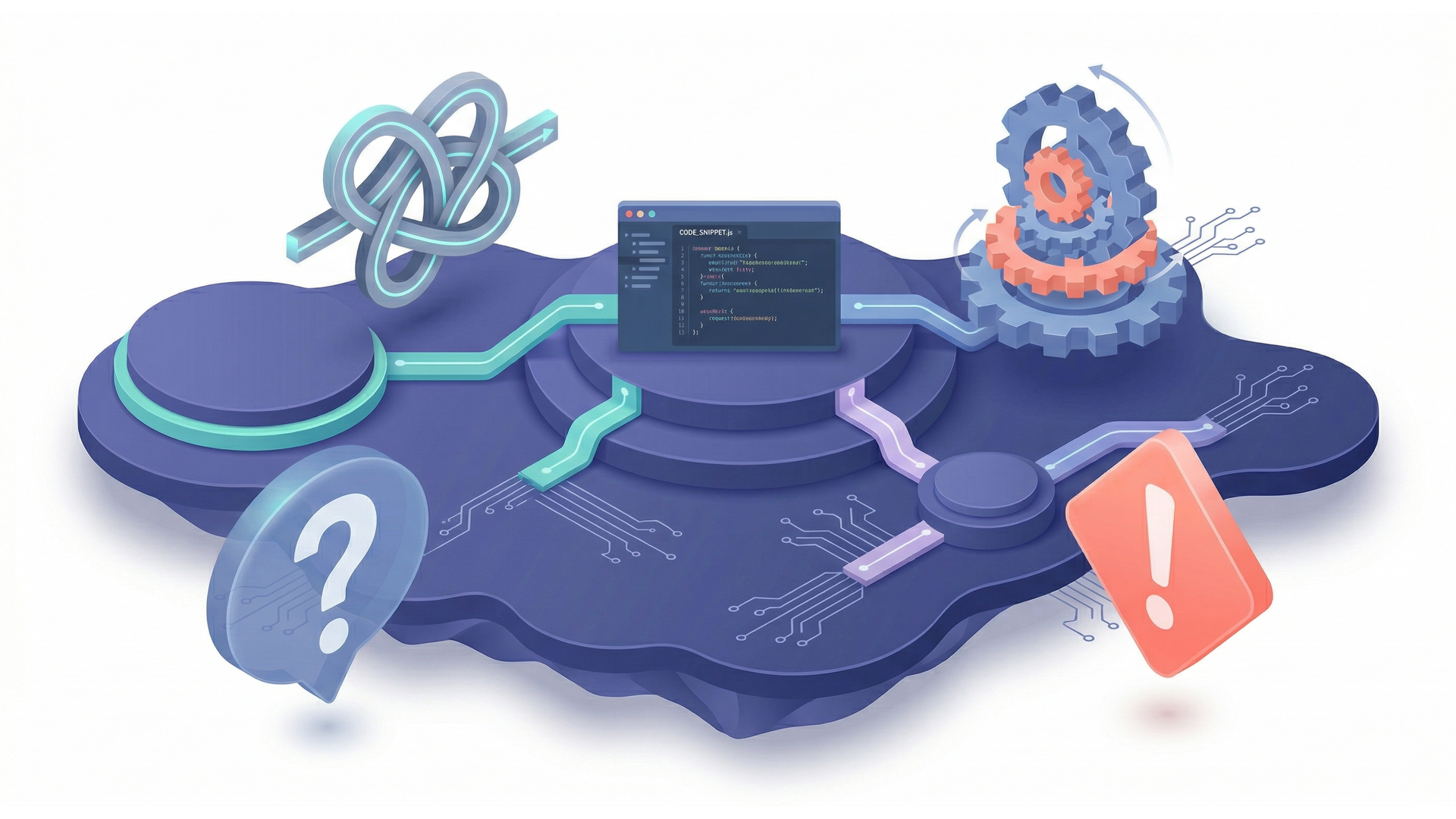
When things go wrong in a NetSuite environment, it's rarely because someone couldn't write the code.
It's usually because:
- The change was made too fast
- The nearest issue got fixed instead of the right one
- Context was ignored
- A dependency was missed
- An assumption was made instead of verified
In a system like NetSuite — where scripts, integrations, and configurations interact constantly — those mistakes don't stay contained. They compound.
The Real Cost of Moving Too Fast
Early in a developer's career, speed feels like the goal. Ship the fix. Close the ticket. Move on.
But as NetSuite environments grow, the cost of a "small mistake" gets bigger:
| System Stage | Primary Bottleneck |
|---|---|
| Early / simple environment | Coding ability |
| Growing / integrated environment | Testing thoroughness |
| Complex / scaled environment | Judgment |
At a certain point, speed is no longer what's holding a team back. Decision making in NetSuite is.
What Good Decisions Actually Look Like
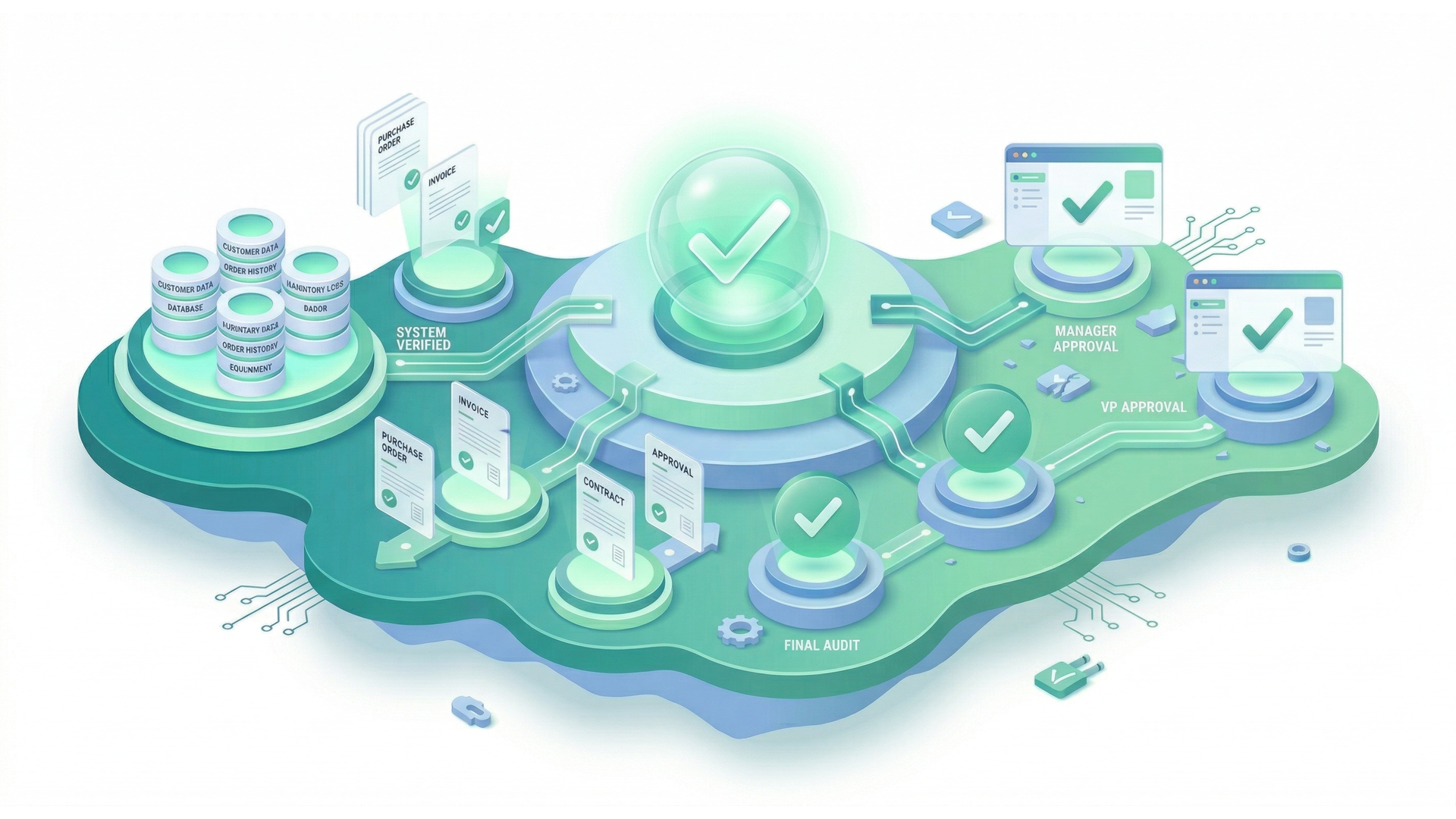
- Understand the flow — trace how data moves before making any change
- Understand the context — the same script can behave differently depending on record state, execution context, and configuration
- Understand the dependencies — what else relies on this? What breaks if this shifts?
Then— and only then — make the change.
The Mindset Shift Behind Better Engineering
What This Means for NetSuite Teams
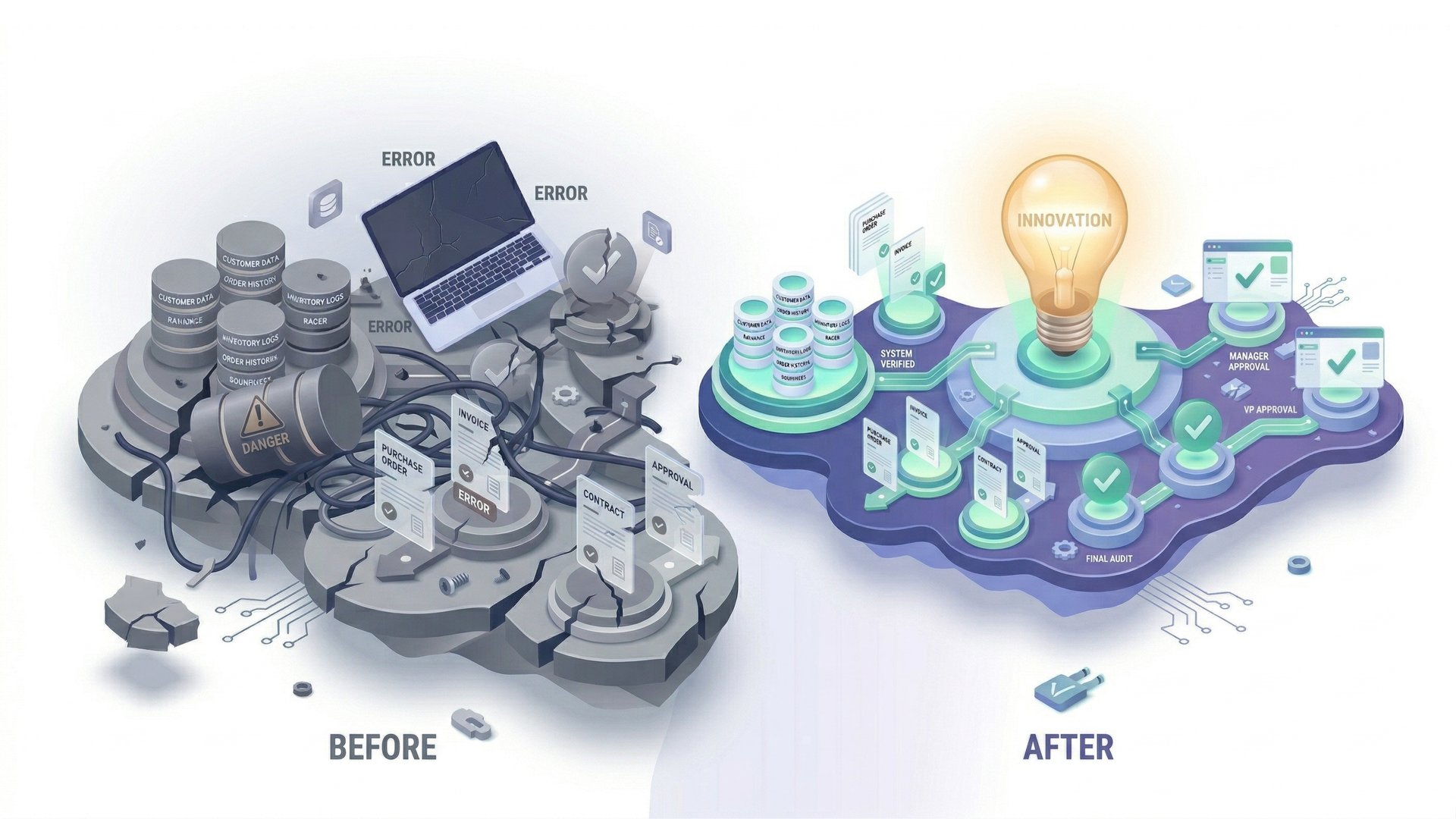
Onboarding teaches developers how the system works.
What comes after onboarding teaches them how to work with the system — without breaking it.
That progression takes time. But it also takes the right foundation: engineers who already come in asking the right questions, not just executing the nearest solution.
At ATSOURCE, the developers we work with are trained to bring this kind of judgment into NetSuite environments from the start. If decision making in NetSuite is something your team is navigating — whether you're scaling, inheriting a complex codebase, or rebuilding after friction —
let's talk about what the right support looks like.

Meet the Author
Jona has over a decade of experience in SuiteCloud Development on the NetSuite platform. She specializes in implementing advanced solutions and has led teams in creating high-quality software. Jona holds multiple certifications and has been recognized with awards like the Summit Award and Quality Champion Award.
Tags
Accelerate ERP Success with Expert Solutions
Ready to put what you've learned into practice? ATSOURCE delivers both the specialized talent and comprehensive NetSuite support you need to turn strategy into results.Connect with our experts today and move from planning to performance.