
Episode 6: Performance Is a Design Decision: Governance Is Not an Afterthought
Most NetSuite systems don't break because of logic. They break because of scale.
Everything works beautifully with 5 records in Sandbox, during QA testing, with controlled datasets. Then production hits — 8,000 transactions, month-end processing, concurrent users, scheduled scripts overlapping with Map/Reduce running alongside integrations. Suddenly governance errors appear, scripts reschedule unexpectedly, records lock, and timeouts happen.
Everyone asks, "What changed?" Nothing changed. The volume did.
Performance is not a tuning exercise. It's a design decision.
Why Scale Exposes What Testing Hides
Here's a pattern that shows up more often than it should. An engineer writes clean logic inside an afterSubmit: load a related record, update a few fields, save, maybe run a search, maybe update another record. Works perfectly for one transaction.
Then finance imports 3,000 records. Now each record triggers the same chain, each update loads additional records, each save triggers additional scripts, and governance multiplies. What was once "just 10 units" becomes:
10 units × 3,000 records × 2 additional scripts × retry behavior

Governance burns like it's free. But governance is not free — it's architectural currency. When we design without thinking about scale, we're borrowing against future stability. And production always collects.
How to Design for Performance From Day One
Before placing logic, let's ask four performance questions.
1. Does This Belong in Real-Time?
Not every operation needs to happen during record save. Let's evaluate where logic actually belongs:
| Approach | Best For | Trade-Off |
|---|---|---|
| Real-time (User Event) | Validations, critical field updates, user-facing feedback | Increases latency and lock risk |
| Deferred (Scheduled Script) | Non-urgent updates, notifications, secondary calculations | Slight delay, but predictable |
| Batched (Map/Reduce) | High-volume processing, aggregations, reconciliations | Higher throughput, lower per-record cost |
Architectural maturity is knowing which approach fits the situation — not defaulting to real-time because it's easier to build.
2. What is the Cost Per Record
The wrong question is "How many governance units does this script use?" The right question is "How many units does this cost per record under scale?"
Watch for these compounding patterns:
- Loading records inside loops
- Saving inside loops
- Searching repeatedly for data that could be cached
- Recalculating values redundantly
Small inefficiencies compound brutally at volume. Let's measure per unit, not per execution.
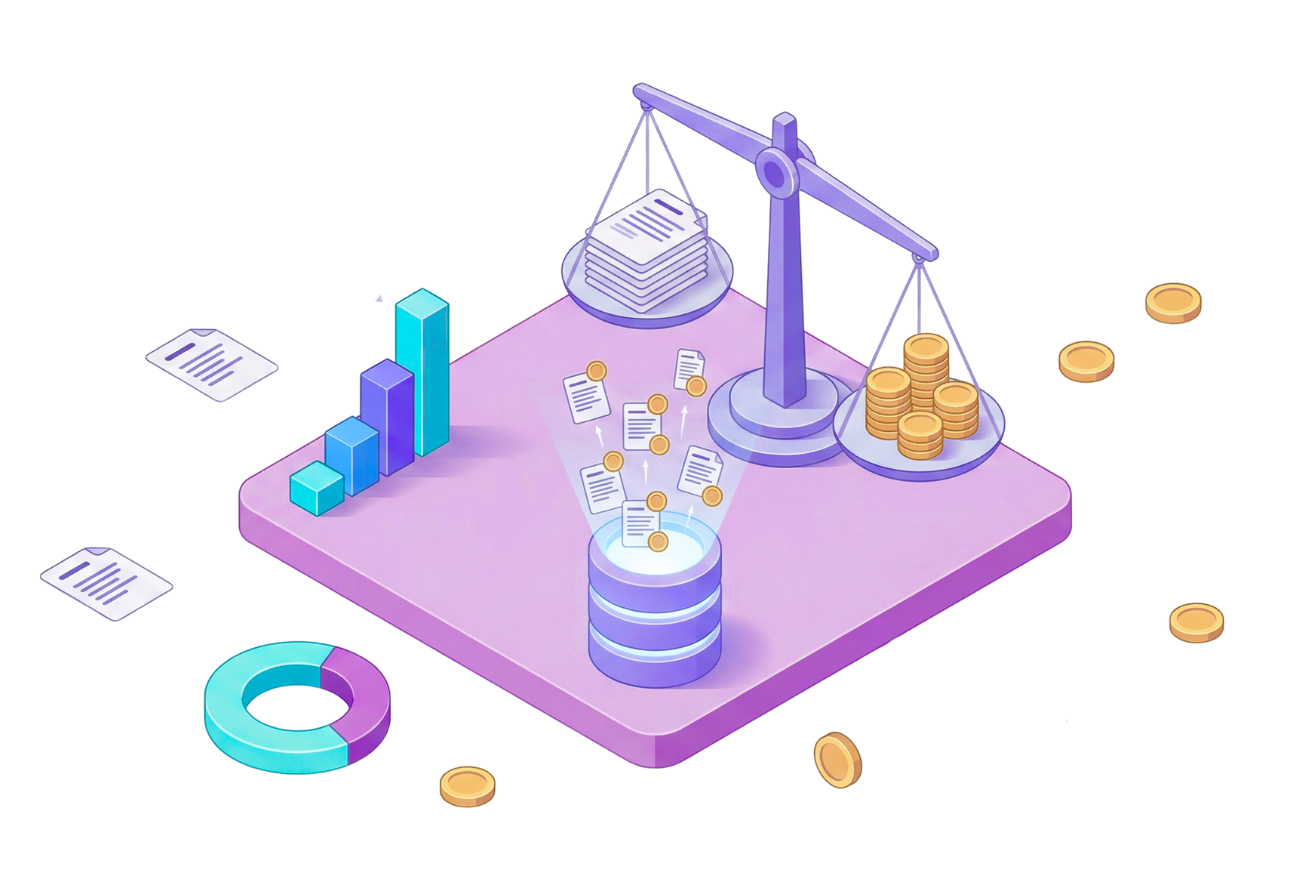
3. Are We Triggering Cascades at Scale?
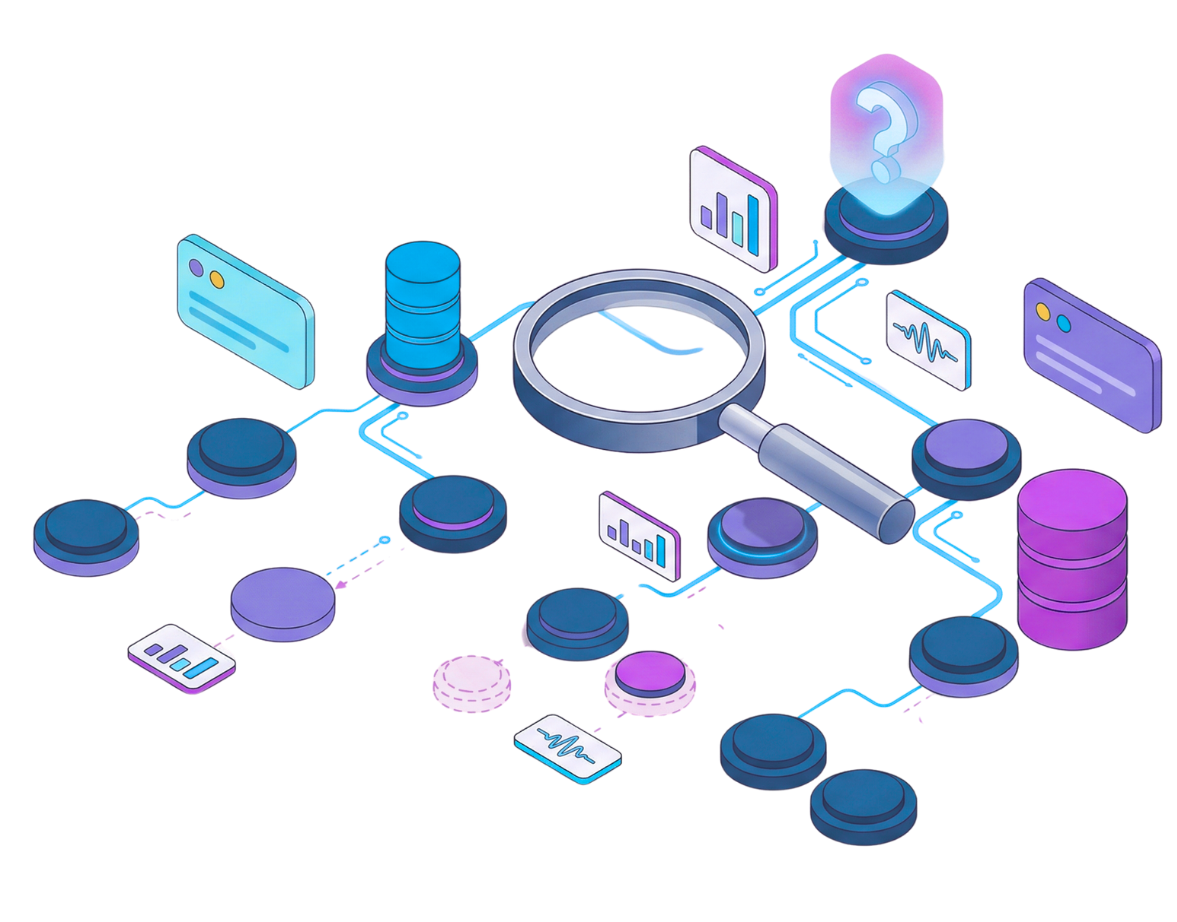
Every write wakes something up. At scale, one update becomes thousands, one recalculation becomes a storm, and one inefficient search becomes congestion.
Before updating a related record, ask: Is this necessary now, or can it be aggregated? Can the recalculation happen differently? Performance failures are often architectural chain reactions — not isolated bugs.
4. Is This Idempotent and Retry-Safe?
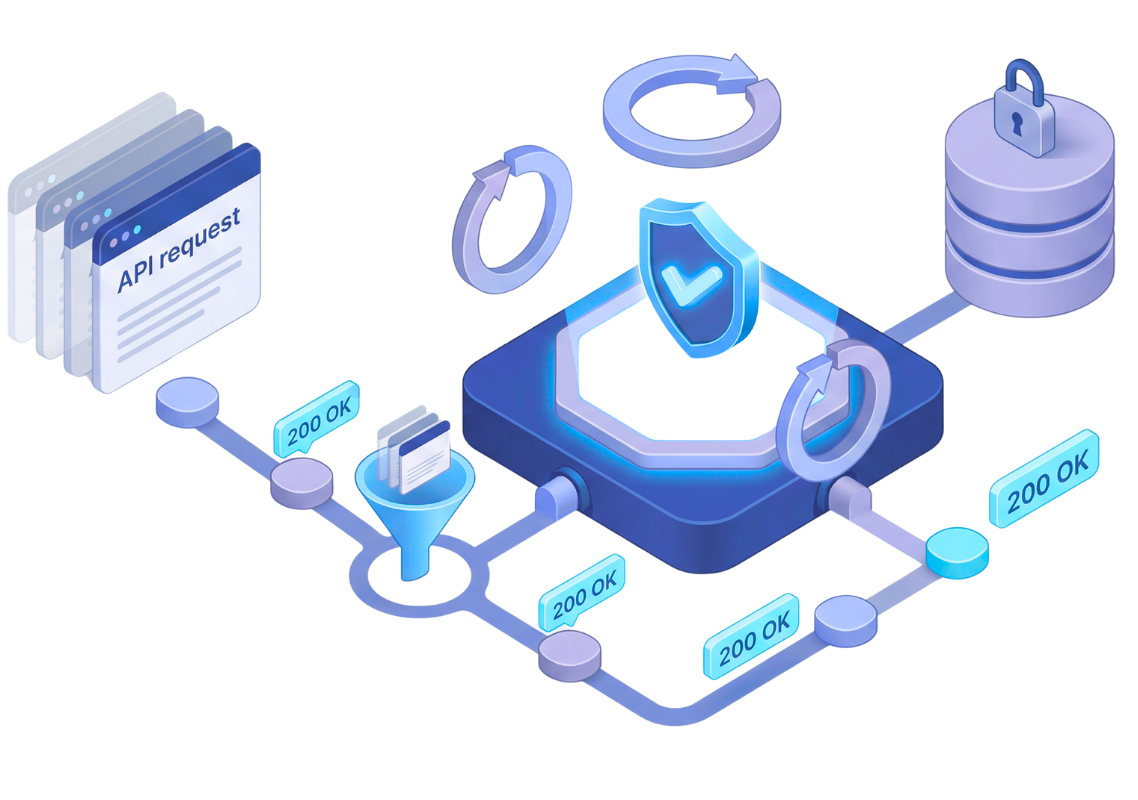
At scale, retries happen. Map/Reduce restarts. Scheduled scripts overlap. Users double-submit. If logic can't safely re-run without corrupting data, scale will expose it.
Architectural design must assume retries — because NetSuite will retry whether we planned for it or not.
The Mental Model
Governance isn't a technical constraint. It's feedback. It's the system telling us, "This design does not scale."

Stable NetSuite systems aren't just correct — they're intentional under pressure. When engineers design for scale early, month-end doesn't panic the system, imports don't halt operations, and background processing feels predictable.
Data flow keeps the system understandable. Context keeps it stable. Coupling keeps it evolvable. Performance keeps it alive under growth.
Build Systems That Scale Without Surprises
Designing for performance means making architectural decisions before governance errors force your hand. At ATSOURCE, we help NetSuite development teams build systems that stay stable when volume hits — not just when the sandbox looks clean.
Let's talk about designing your NetSuite environment for the scale you're actually heading toward.

Meet the Author
Jona has over a decade of experience in SuiteCloud Development on the NetSuite platform. She specializes in implementing advanced solutions and has led teams in creating high-quality software. Jona holds multiple certifications and has been recognized with awards like the Summit Award and Quality Champion Award.
Tags
Accelerate ERP Success with Expert Solutions
Ready to put what you've learned into practice? ATSOURCE delivers both the specialized talent and comprehensive NetSuite support you need to turn strategy into results.Connect with our experts today and move from planning to performance.