
Episode 5: Leading Without Becoming a Manager: Making Other Engineers Better

Jona Obrador • August 12, 2026

There is a version of seniority that is easy to measure. An engineer closes the hard tickets, resolves the production issues, and maintains the code other people hesitate to open. That work matters, and it should be recognized.


At some point, though, being a strong engineer stops being a question of personal output. It starts to depend on what happens to the people working nearby.


Episodes 1 through 4 covered influence, mentorship, standards, and disagreement. This episode is about what those skills are for. The strongest engineer on a team is not always the one producing the most code. Sometimes, it is the engineer making everyone else better.

What: Engineering Impact Can Multiply
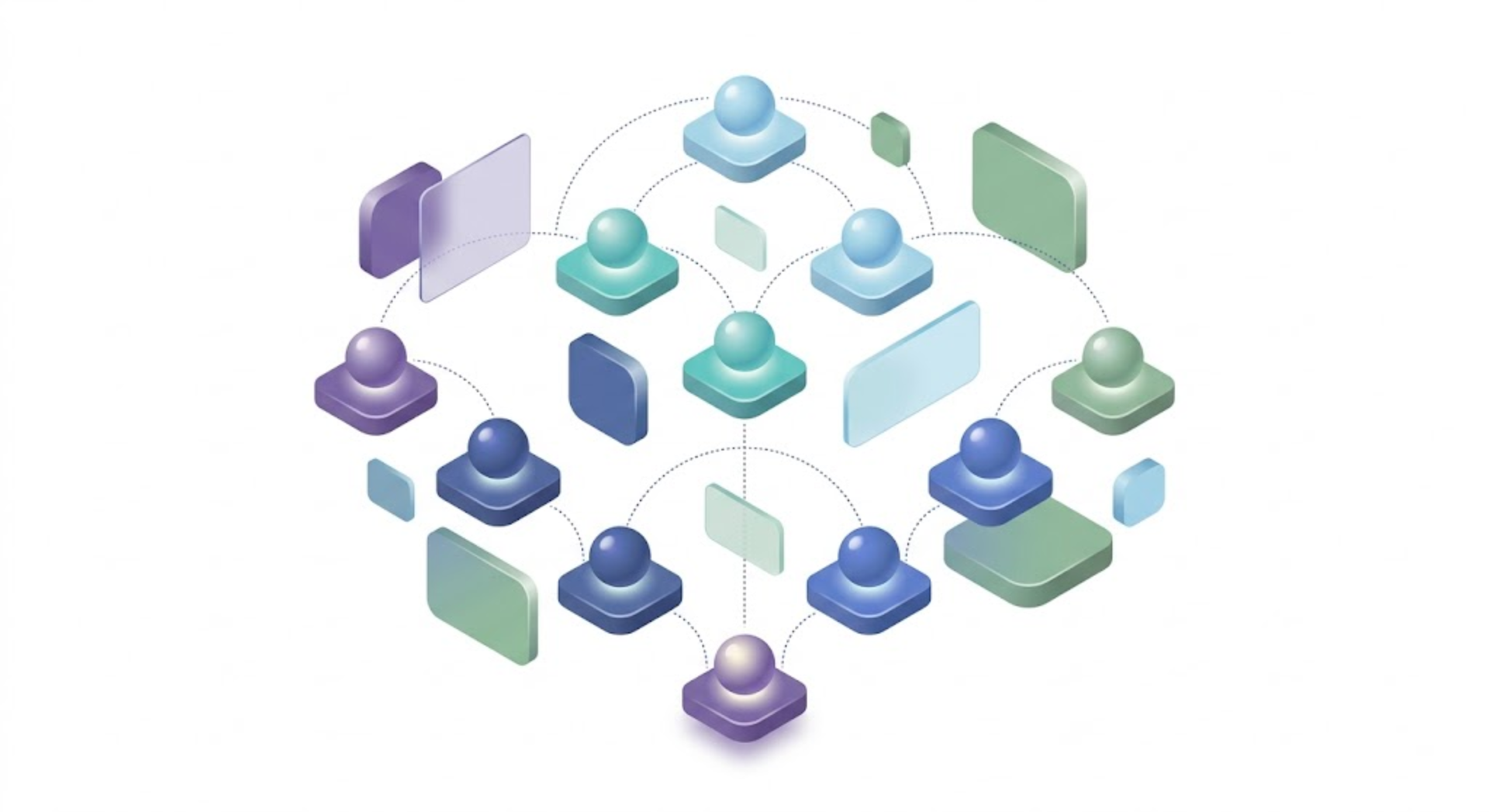
What: Engineering Impact Can Multiply

Early in a career, contribution is mostly individual. A problem arrives and gets solved. With experience, problems grow larger, and the work shifts toward design decisions, ambiguous requirements, and issues that span multiple parts of the system.


A further shift eventually happens, changing the question an engineer asks. "Can I solve this?" becomes "Can I help the team get better at solving this?"

Early in a career, contribution is mostly individual. A problem arrives and gets solved. With experience, problems grow larger, and the work shifts toward design decisions, ambiguous requirements, and issues that span multiple parts of the system.


A further shift eventually happens, changing the question an engineer asks. "Can I solve this?" becomes "Can I help the team get better at solving this?"

If we teach three engineers how to solve that class of problem, document what we learned, improve the review process, and create opportunities for others to practice it, the impact continues long after our own task is finished.


That is technical leadership. Not doing everyone else's work but making the team more capable of doing the work themselves.

If we teach three engineers how to solve that class of problem, document what we learned, improve the review process, and create opportunities for others to practice it, the impact continues long after our own task is finished.


That is technical leadership. Not doing everyone else's work but making the team more capable of doing the work themselves.

Why: Teams Become Fragile When Knowledge Stays With Individuals

Being the engineer who knows everything can feel valuable, right up until that person takes leave, changes teams, or gets buried because every hard question routes to them.


Teams create the dependency accidentally, usually through decisions that look efficient in the moment:


  • Solving something quickly instead of explaining it
  • Answering the same question repeatedly instead of documenting it

Being the engineer who knows everything can feel valuable, right up until that person takes leave, changes teams, or gets buried because every hard question routes to them.


Teams create the dependency accidentally, usually through decisions that look efficient in the moment:


  • Solving something quickly instead of explaining it
  • Answering the same question repeatedly instead of documenting it
  • Rewriting an implementation during review instead of helping the author see the design problem
  • Taking the hardest tickets because it feels faster than walking someone through them
Why: Teams Become Fragile When Knowledge Stays With Individuals

Each of those saves time this week and costs the team next quarter. The most valuable output of technical leadership is sometimes not code at all. It can be the context behind a decision, or an engineer who will not need help with the same problem next time.

  • Rewriting an implementation during review instead of helping the author see the design problem
  • Taking the hardest tickets because it feels faster than walking someone through them

Each of those saves time this week and costs the team next quarter. The most valuable output of technical leadership is sometimes not code at all. It can be the context behind a decision, or an engineer who will not need help with the same problem next time.


Each of those saves time this week and costs the team next quarter. The most valuable output of technical leadership is sometimes not code at all. It can be the context behind a decision, or an engineer who will not need help with the same problem next time.

How: Share Knowledge Before It Becomes a Bottleneck

How: Share Knowledge Before It Becomes a Bottleneck

Knowledge sharing does not require scheduling a presentation. Most of it happens inside work that is already underway.


Explaining how the root cause of an unusual production issue was found takes a few extra minutes. So does writing down undocumented system behavior when it turns up, or recording the reasoning next to an architectural decision rather than only the decision itself. When a question is likely to be asked again, the answer is worth turning into something reusable.


The goal is simple:

Reduce how much important knowledge depends on remembering who to ask.

Knowledge sharing does not require scheduling a presentation. Most of it happens inside work that is already underway.


Explaining how the root cause of an unusual production issue was found takes a few extra minutes. So does writing down undocumented system behavior when it turns up, or recording the reasoning next to an architectural decision rather than only the decision itself. When a question is likely to be asked again, the answer is worth turning into something reusable.

Good engineering teams should be able to answer more questions through shared context and fewer through tribal knowledge.

The goal is simple:

Reduce how much important knowledge depends on remembering who to ask.


Good engineering teams should be able to answer more questions through shared context and fewer through tribal knowledge.

Documentation Is a Form of Leadership
Technical leadership is sometimes confused with having the final answer. It sits closer to caring more about the best answer than about whose answer it was.


Some of the most respected engineers have a habit that shows up surprisingly rarely. When presented with better information, they say, "Good point, let's go with that," and move on. There is no drawn-out defense of the original position.

That willingness usually earns more credibility than winning the point would have. Teams read it as a signal that the engineer evaluates ideas honestly, which makes their agreement worth more when it does come.

Documentation has a reputation problem. It tends to feel like the work that happens after the real work is finished.


It rarely needs to be extensive. A short note explaining why an architecture decision was made, a troubleshooting guide for a recurring issue, or a README showing how a subsystem fits together will cover most of what a team actually needs.


NetSuite environments make this concrete. Customizations written today may still be running in five years, and the business logic behind a script or a

Documentation has a reputation problem. It tends to feel like the work that happens after the real work is finished.


It rarely needs to be extensive. A short note explaining why an architecture decision was made, a troubleshooting guide for a recurring issue, or a README showing how a subsystem fits together will cover most of what a team actually needs.

Documentation Is a Form of Leadership

workflow is usually the part nobody recorded. An engineer who documents why a customization exists saves the next person from reverse-engineering that decision out of the code.


A useful test is to ask what people would struggle to understand if you left the project tomorrow. That is usually the thing worth writing down.


A good test is:

If I disappeared from this project tomorrow, what would people struggle to understand?


That is probably worth writing down.


NetSuite environments make this concrete. Customizations written today may still be running in five years, and the business logic behind a script or a workflow is usually the part nobody recorded. An engineer who documents why a customization exists saves the next person from reverse-engineering that decision out of the code.


A useful test is to ask what people would struggle to understand if you left the project tomorrow. That is usually the thing worth writing down.


A good test is:

If I disappeared from this project tomorrow, what would people struggle to understand?


That is probably worth writing down.

Use Code Reviews to Teach, Not Just Correct

Use Code Reviews to Teach, Not Just Correct

Code reviews are among the best learning opportunities a team already has, and they slip easily into being transactional. Change this, rename that, use this pattern instead. The code improves while the engineer who wrote it learns very little.


A stronger review explains the reasoning. Rather than "don't do this here," something closer to: "This works, but putting the logic here gives the module two responsibilities. Moving it behind this interface keeps the dependency easier to test and change."

Code reviews are among the best learning opportunities a team already has, and they slip easily into being transactional. Change this, rename that, use this pattern instead. The code improves while the engineer who wrote it learns very little.

 
A stronger review explains the reasoning. Rather than "don't do this here," something closer to: "This works, but putting the logic here gives the module two responsibilities. Moving it behind this interface keeps the dependency easier to test and change."

That takes longer to write, and it does two jobs at once. The implementation gets better and so does the author's judgment. Reviews written this way gradually reduce the amount of review a team needs, because engineers start catching the same issues on their own.


That takes longer to write, and it does two jobs at once. The implementation gets better and so does the author's judgment. Reviews written this way gradually reduce the amount of review a team needs, because engineers start catching the same issues on their own.

Create Room for Other People to Do the Hard Work

Create Room for Other People to Do the Hard Work

Experienced engineers tend to become the default owners of difficult problems. Again, this feels efficient. But if we always take the hardest work, nobody else gets experience solving it.


Episode 2 covered the alternative, handling over ownership while staying available. That means letting another engineer lead an investigation with support rather than running it, giving someone a design proposal to own and reviewing their thinking, or bringing a less experienced engineer into a debugging session.


Experienced engineers tend to become the default owners of difficult problems. Again, this feels efficient. But if we always take the hardest work, nobody else gets experience solving it.


Episode 2 covered the alternative, handling over ownership while staying available. That means letting another engineer lead an investigation with support rather than running it, giving someone a design proposal to own and reviewing their thinking, or bringing a less experienced engineer into a debugging session.

There is a meaningful gap between letting someone fail and giving them enough room to learn. Knowing which one is happening is most of the skill.


There is a meaningful gap between letting someone fail and giving them enough room to learn. Knowing which one is happening is most of the skill.

Measure Impact Differently

One of the stranger parts of technical leadership is that the best work becomes harder to see. Someone else solves the problem, presents the design, and becomes the person others go to. That is the evidence it worked.


A senior engineer who makes all the important decisions looks indispensable. A technical leader who develops several engineers capable of making those decisions has built something more durable. The clearest sign of growth is watching other engineers handle problems that used to come to you.
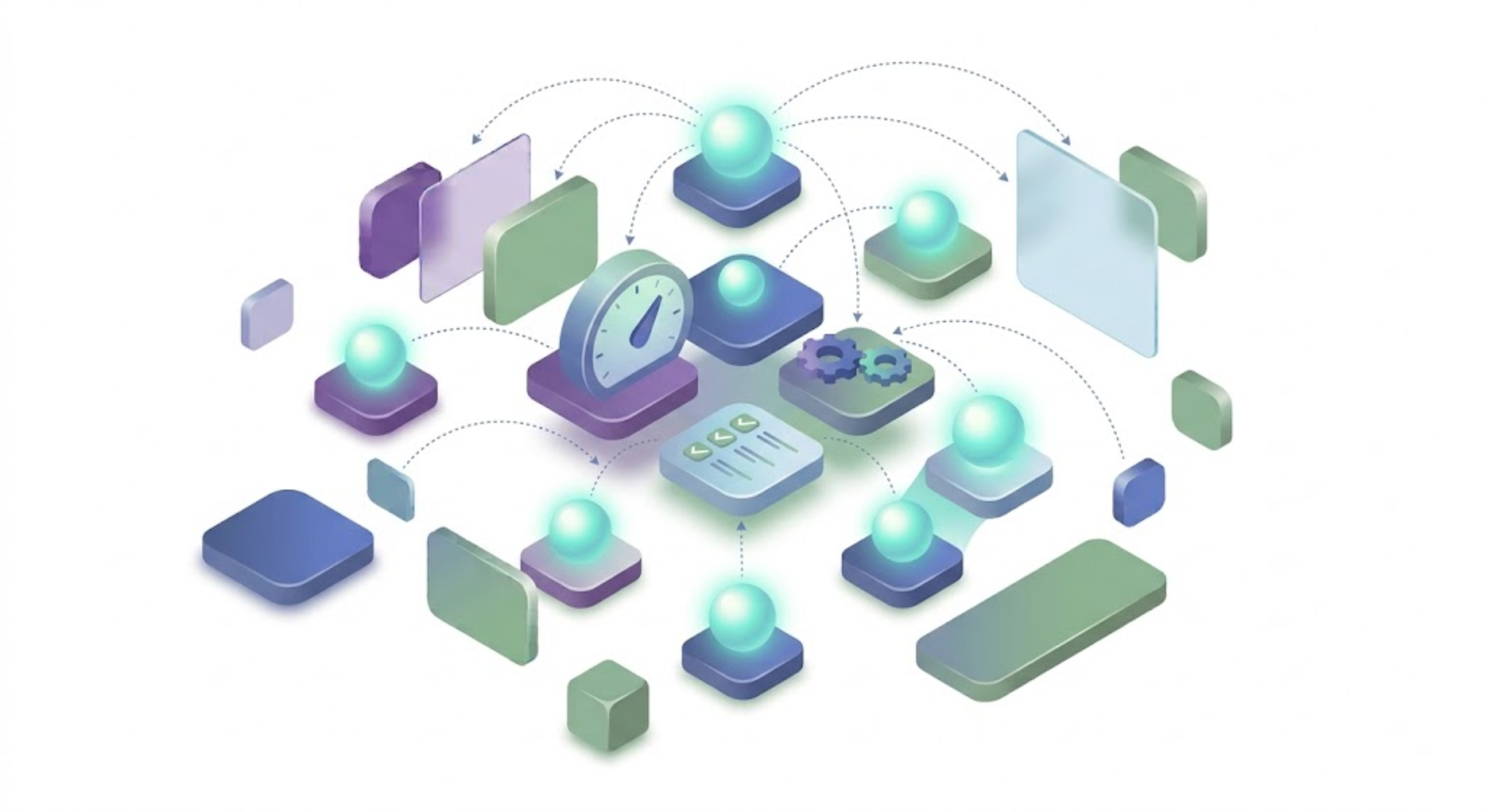
Measure Impact Differently


At ATSOURCE, we build NetSuite teams where that kind of capability transfer is part of how the work gets done.
Let's talk about what that looks like for your organization.

Jona Obrador Senior Netsuite Developer

Meet the Author

Jona has over a decade of experience in SuiteCloud Development on the NetSuite platform. She specializes in implementing advanced solutions and has led teams in creating high-quality software. Jona holds multiple certifications and has been recognized with awards like the Summit Award and Quality Champion Award.


Tags

Accelerate ERP Success with Expert Solutions

Ready to put what you've learned into practice? ATSOURCE delivers both the specialized talent and comprehensive NetSuite support you need to turn strategy into results.‍Connect with our experts today and move from planning to performance.

Two chat bubbles with check and X icons above a lightbulb on a white pedestal, on a purple background
By Jona Obrador August 4, 2026
How strong NetSuite engineers challenge ideas without damaging relationships, and turn technical disagreement into better team decisions.
Purple code window with magnifying glass, gear, and alert light on a pedestal
By Jona Obrador July 29, 2026
Learn how senior NetSuite engineers raise code quality through shared standards, selective feedback, and culture, not control.
Episode 2 title card: “Leading Without Becoming a Manager: Mentoring Without Micromanaging” on a lavender background, with two abstract figures.
By Jona Obrador July 22, 2026
Strong technical mentors build independence, not dependency. Learn how senior NetSuite engineers guide teams without solving every problem for them.