Closing the Onboarding Engineers Series: What We Actually Wanted You to Learn
This onboarding series was never about teaching NetSuite features.
It was about teaching how to think as an engineer inside an existing system—one you didn't design, one you inherited, and one you're now responsible for.
Why We Avoided Shortcuts and Recipes
Across seven episodes, we intentionally avoided shortcuts, magic snippets, and "just do this" recipes. Instead, we focused on the fundamentals that determine whether an engineer succeeds or struggles long-term.
Because here's what we've seen: engineers who memorize patterns without understanding context end up stuck. They can copy code but can't debug it. They can add features but break existing functionality. They move fast until they don't.
Five What Each Episode Was Really Teaching
Before code, before scripts, before deployments—there is business intent. Engineers who remember what the system is supposed to do make better decisions than those who jump straight into implementation.
This episode set the tone: code serves behavior, behavior serves users, users serve the business. Everything else builds on that.
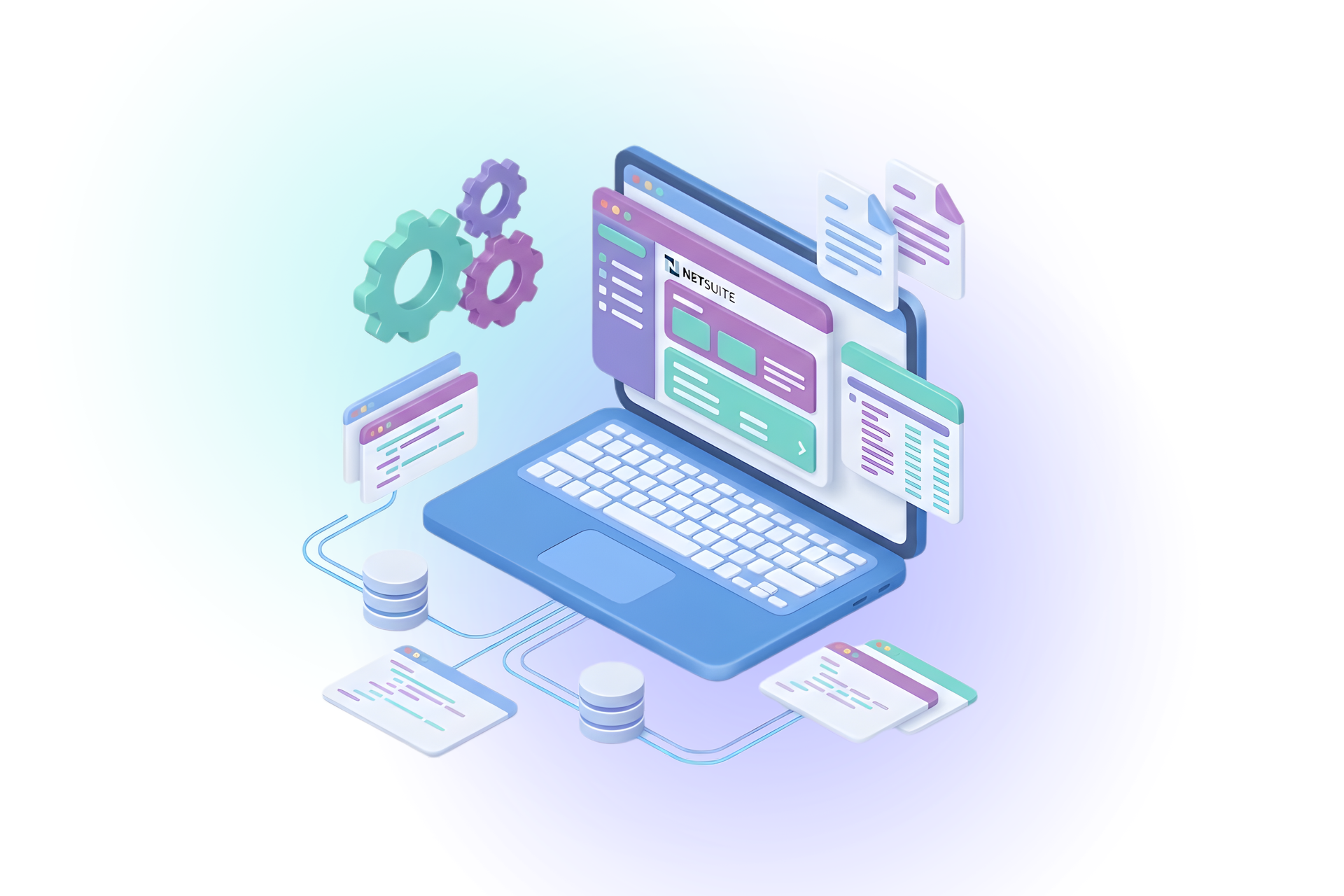
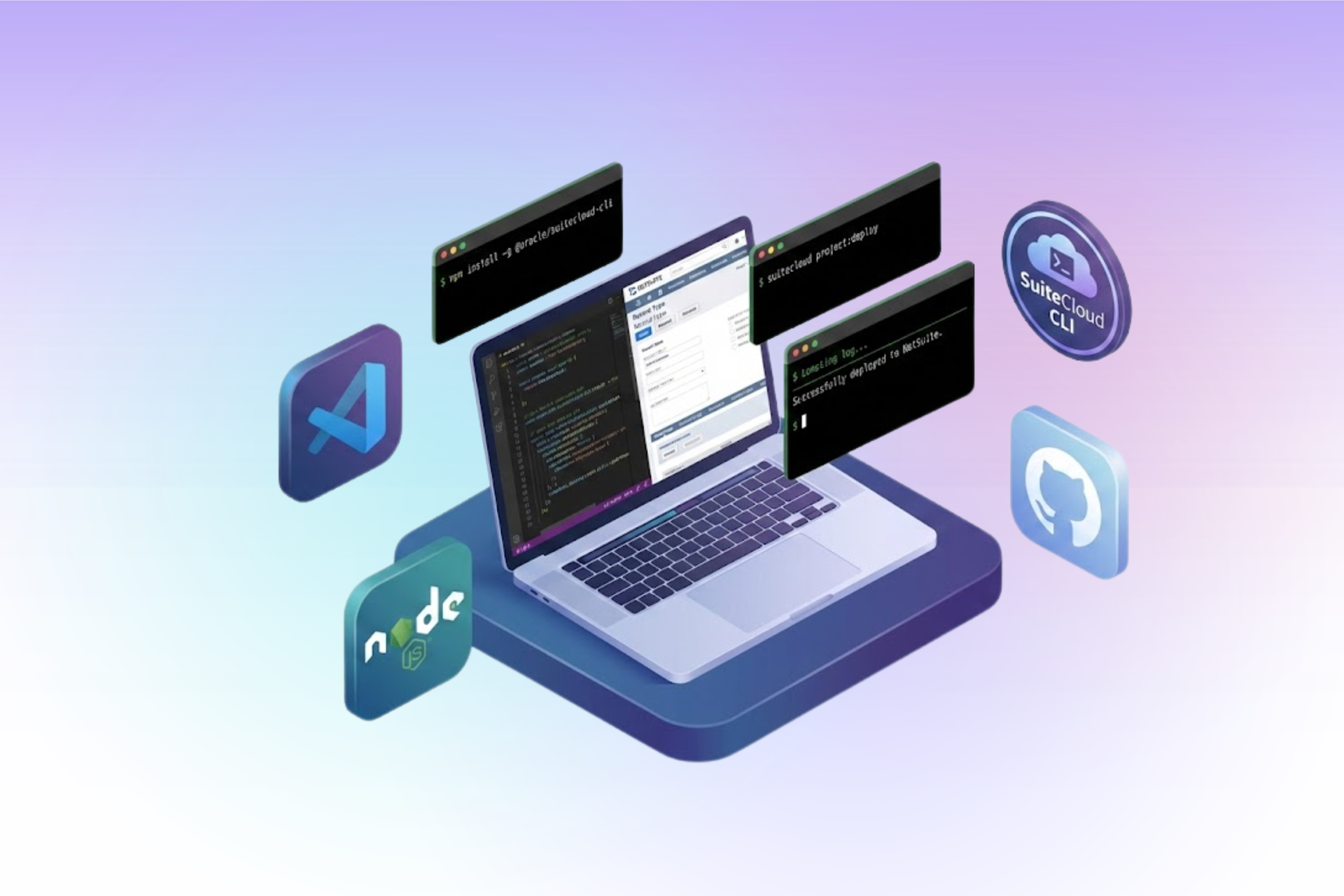
Environment setup isn't busywork—it's risk management. We've seen too many issues caused by engineers working in the wrong account, the wrong role, or the wrong configuration.
If you don't trust your environment, you can't trust your results
Folder structure is not aesthetics. It's how a system communicates intent to future engineers.
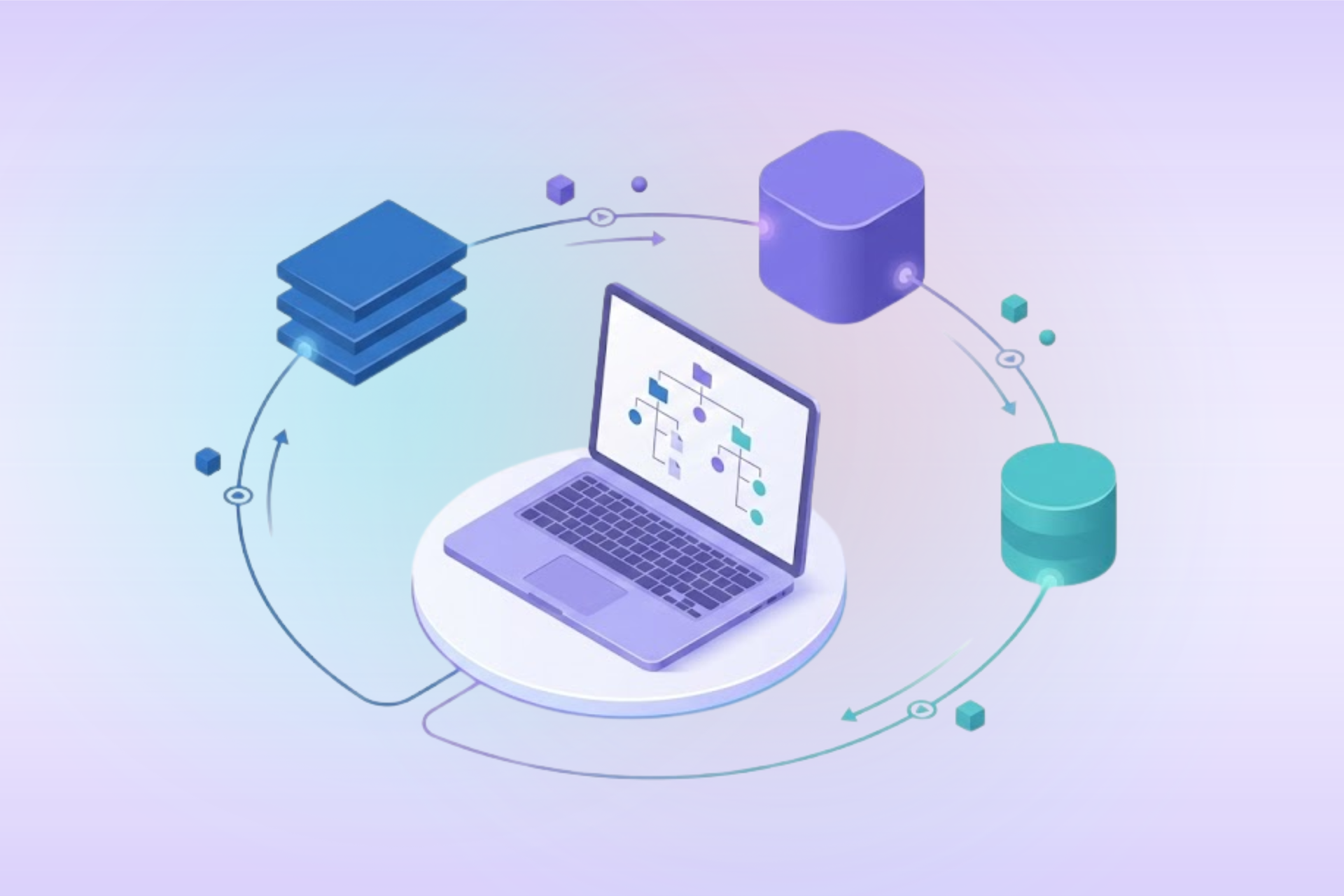
This episode focused on reading the architecture before writing code:
- What belongs together
- What should stay isolated
- What signals responsibility and ownership
A well-organized codebase reduces onboarding time without a single meeting.
Understanding data flow changes everything. Instead of asking "where is this script?", we want engineers asking:
- What triggered this?
- What data is being transformed?
- What side effects does this create?
When you understand flow, debugging stops being guesswork.

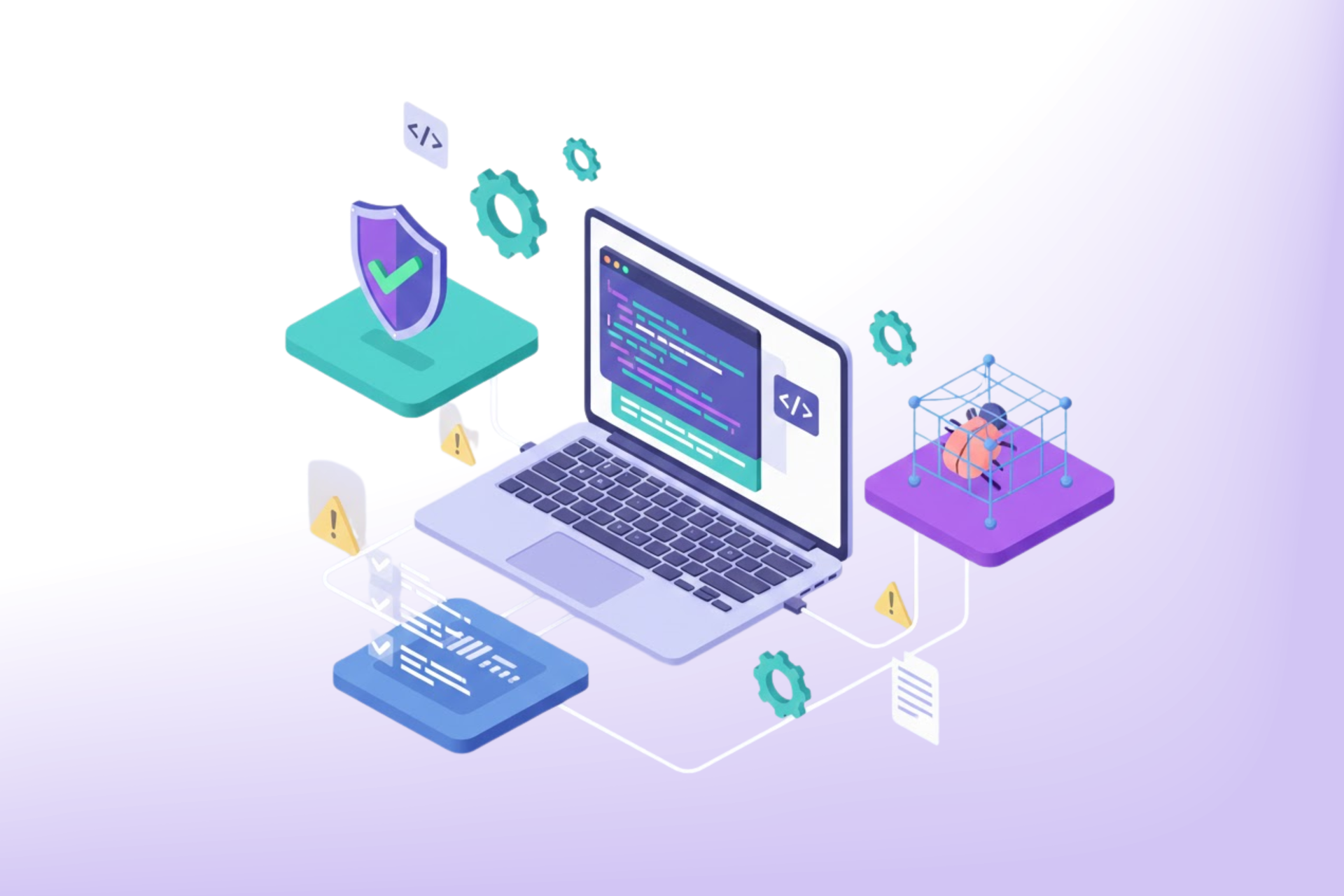
Unit tests aren't about coverage percentages. They're about confidence.
This episode reframed testing as a tool for safe refactoring, intentional changes, and protecting behavior you didn't write. When engineers can change code without fear, quality improves naturally.
Debugging is a thinking skill. This episode addressed a common pattern we see: log everything, change something, hope for the best.
Instead, we emphasized forming hypotheses, isolating variables, and confirming causes before applying fixes. Good debugging reduces time wasted—and prevents accidental damage.
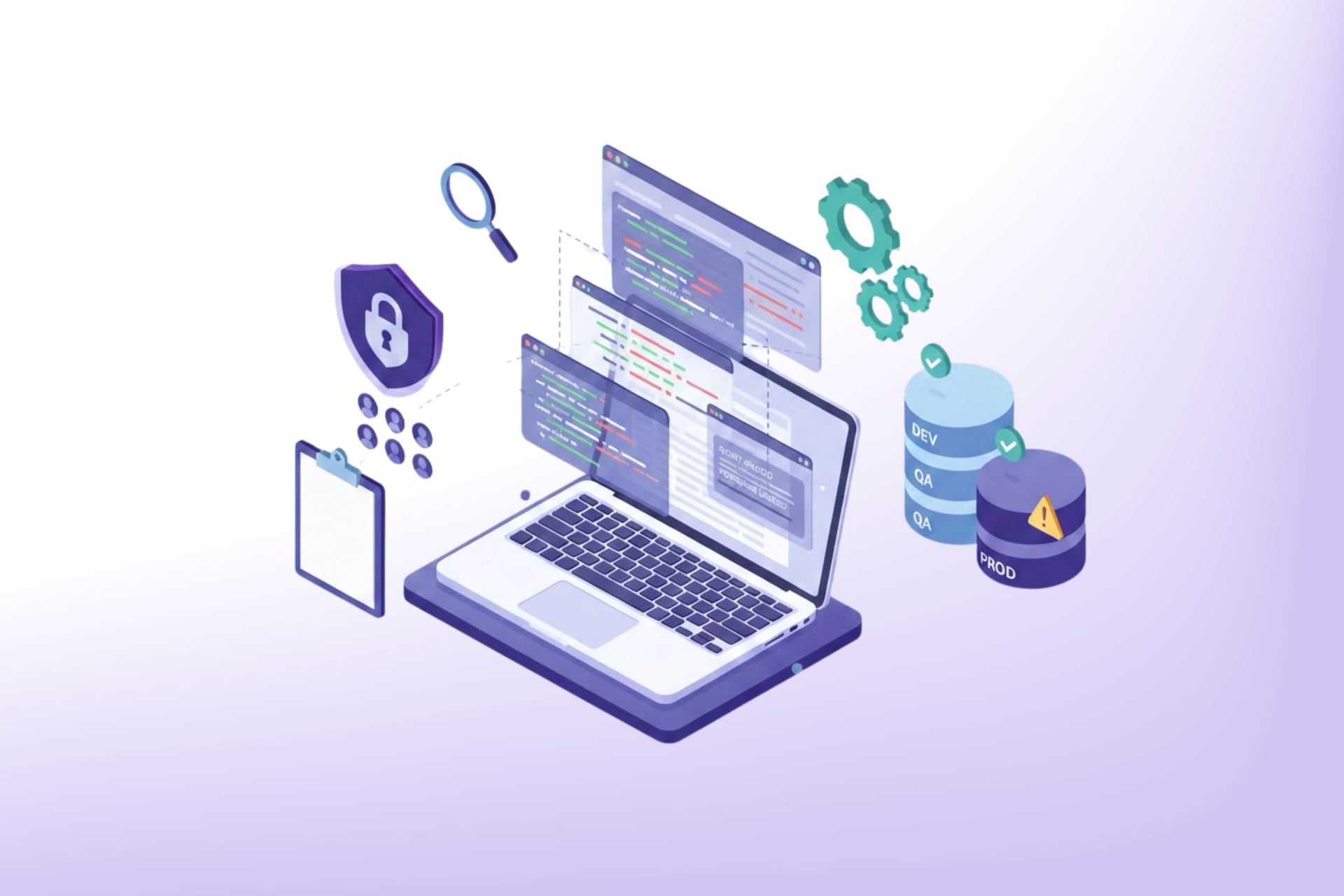
"Done" is not "it works on my account."
The final episode focused on responsibility:
- Is the behavior correct?
- Is the performance acceptable?
- Is the change understandable to the next engineer?
Shipping code is easy. Shipping responsible code is the real skill.
The Real Point of This Series
This onboarding series doesn't make someone a NetSuite expert.
What it does is help engineers:
- Ask better questions
- Make safer changes
- Respect systems they didn't create
- Build confidence without arrogance
If an engineer finishes this series and slows down just a little before coding—we consider that a success.
What Comes After Onboarding
Onboarding is the foundation. From here, the real work begins: evolving legacy systems, making tradeoffs consciously, and balancing speed, quality, and maintainability.
Different topics. Same philosophy.
Because strong engineers aren't defined by how fast they write code, but by how thoughtfully they change systems that already exist.
Let's talk
about your NetSuite development team's onboarding process and how structured training transforms how engineers work in inherited systems.

Meet the Author
Jona has over a decade of experience in SuiteCloud Development on the NetSuite platform. She specializes in implementing advanced solutions and has led teams in creating high-quality software. Jona holds multiple certifications and has been recognized with awards like the Summit Award and Quality Champion Award.
Tags
Accelerate ERP Success with Expert Solutions
Ready to put what you've learned into practice? ATSOURCE delivers both the specialized talent and comprehensive NetSuite support you need to turn strategy into results.Connect with our experts today and move from planning to performance.